
Complete Bedroom Guide: Bed, Wardrobe and Bedside Table Pairing
Published
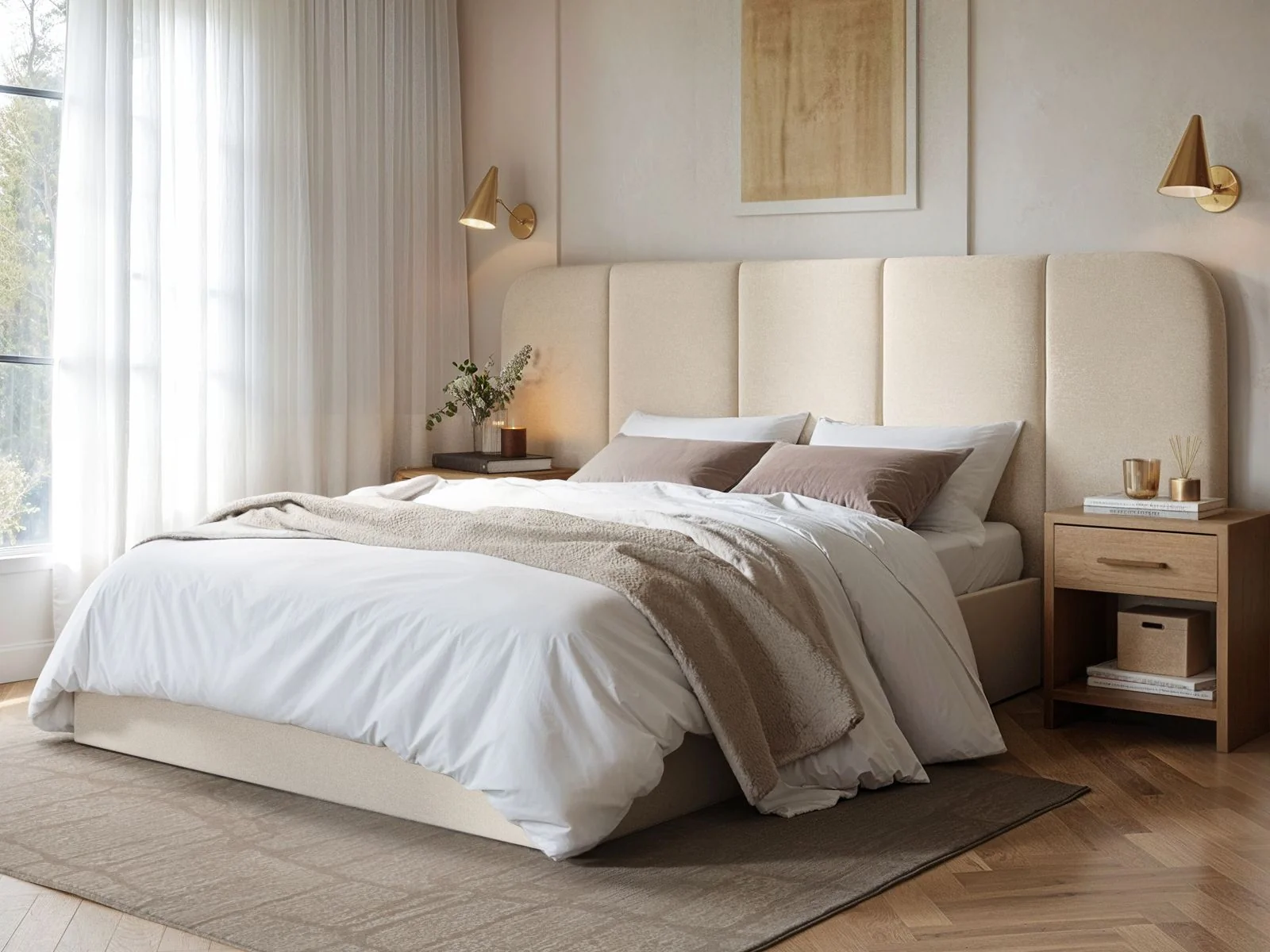
Your bed, wardrobe and bedside tables are some of the most noticeable pieces in your bedroom, but they don't all need to match.
Knowing how to mix and match bedroom furniture can actually create a more interesting and personal room. The trick is finding a common thread between your pieces, whether that's colour, material, shape or smaller details such as handles and legs.
From pairing a statement bed with the right wardrobe to choosing bedside tables that bring everything together, here's how to create a bedroom that feels coordinated without looking overly matched.
How to Mix and Match Bedroom Furniture
Successful bedroom furniture pairing is less about finding identical pieces and more about making different furniture feel as though it belongs in the same room.
Start by choosing an anchor piece. In most bedrooms, that'll be the bed because it's usually the largest and most visually dominant item.
You can then build the rest of your furniture around it.
Pairing Bedroom Furniture: Where Should You Start?
Think of your furniture as a group rather than choosing every item separately.
Three details are particularly useful when deciding whether pieces work together:
1. Colour
Your furniture doesn't need to be the same colour, but the tones should complement one another.
A warm walnut wardrobe, for example, naturally suits cream, beige and earthy colours. Cooler white or grey furniture can work particularly well with black, blue or lighter wood tones.
Try limiting the larger pieces to two main furniture colours, then introduce smaller accent colours through bedding, cushions and accessories.
2. Material
Mixing materials can make a bedroom feel more considered.
Pairing an upholstered bed with wooden bedroom furniture is one of the easiest examples. The fabric softens the room, while timber introduces warmth and texture.
Metal beds can also work well with wooden or painted storage furniture, particularly in industrial, traditional or contemporary bedrooms.
3. Design Details
Sometimes it's the smallest details that connect mismatched furniture.
Look for repeated features such as:
- Black handles
- Brass or gold hardware
- Ribbed detailing
- Rounded edges
- Tapered legs
- Natural wood grain
- Similar door or drawer styles
Two pieces can be completely different colours yet still feel coordinated when they share similar detailing.
How to Pair Your Bed and Wardrobe
Your bed and wardrobe are usually the two largest furniture pieces in the bedroom, so getting their proportions and finishes right has the biggest impact.
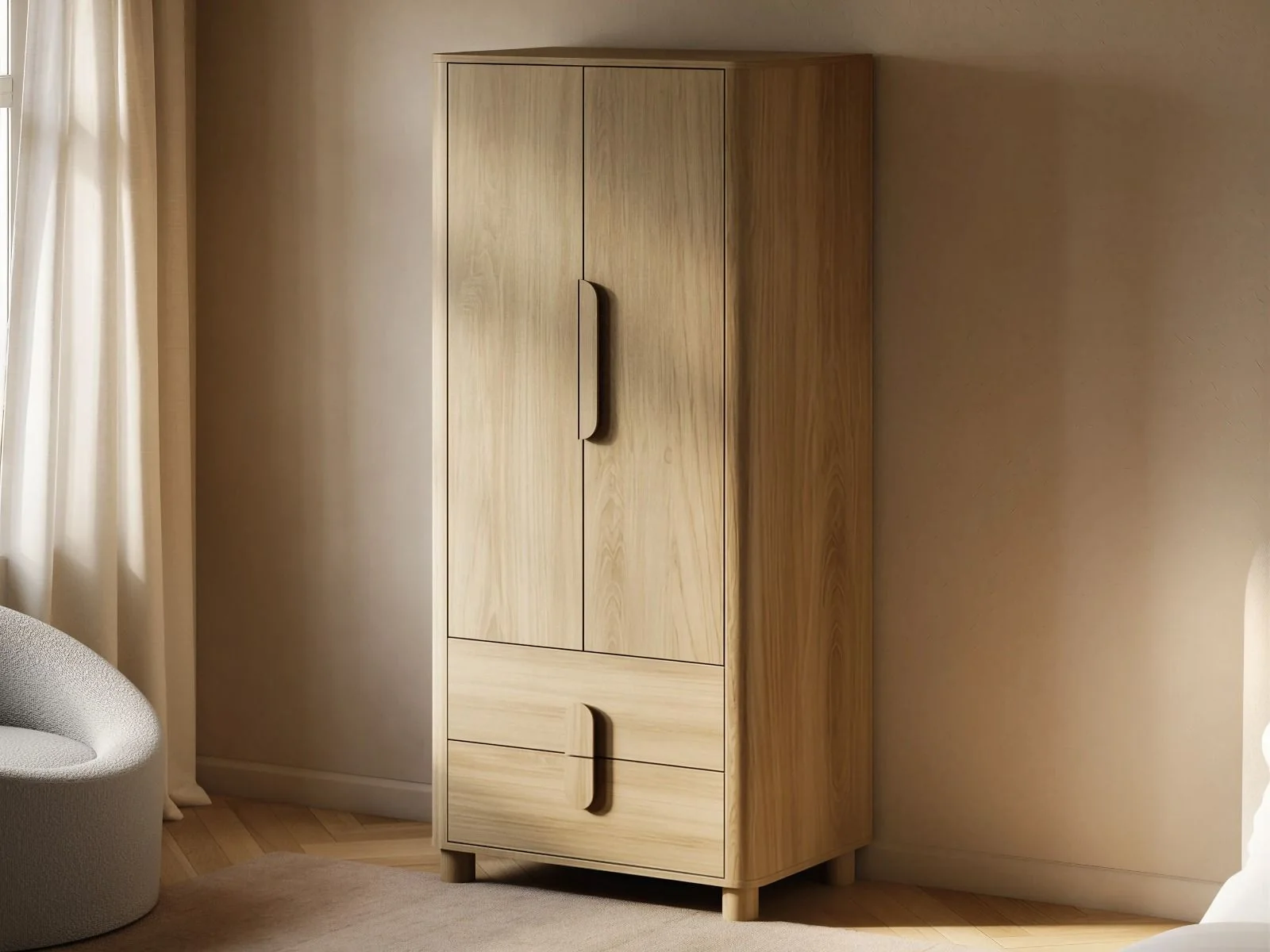
They don't need to match.
Upholstered Bed + Wooden Wardrobe
This is one of the safest combinations.
A beige, cream or grey upholstered bed gives you plenty of flexibility with oak, walnut or darker wooden wardrobes.
The different textures provide contrast while the neutral upholstery prevents the combination from becoming too busy.
Wooden Bed + Painted Wardrobe
If your bed has a strong wood grain, consider pairing it with a simpler white, cream, black or coloured wardrobe.
This stops multiple wood finishes from competing with each other.
Dark Bed + Light Wardrobe
Dark furniture can give the room definition, but pairing several large dark pieces may make a smaller bedroom feel heavier.
Combining a black, dark grey or walnut bed with a lighter wardrobe can create better visual balance.
When choosing storage, browse our wardrobes by colour, size and style to find one that complements your existing bed rather than simply trying to match it exactly.
Should Your Wardrobe and Bedside Tables Match?
They can, but they don't have to.

Matching your wardrobe and bedside tables is a particularly useful approach when you've chosen a contrasting bed.
Think:
Cream upholstered bed + oak wardrobe + oak bedside tables
The wardrobe and bedside tables provide the consistency, while the bed introduces a softer material.
Alternatively:
Oak bed + white wardrobe + white bedside tables
Here, the white storage furniture creates a clean backdrop while the wooden bed becomes the warmer feature.
If you'd prefer everything coordinated from the start, bedroom furniture sets can include matching wardrobes, bedside tables, drawers and other storage pieces.
Browse coordinated bedroom furniture sets
Does All Bedroom Furniture Have to Match?
No. There's no rule that says your bedroom furniture must come from the same range.
Matching furniture is useful if you want:
- A simple, coordinated appearance
- Consistent colours and finishes
- Less decision-making
- Furniture with matching proportions and hardware
Mixing bedroom furniture works better if you want:
- More character
- To keep furniture you already own
- Greater choice of colours and materials
- A less uniform interior
- To make one particular item the focal point
The best approach can sit somewhere between the two.
You might match your wardrobe and bedside tables but choose a contrasting bed, or keep all your furniture different while repeating the same colour through handles, accessories or soft furnishings.
What Is the New Bedroom Trend?
One of the strongest 2026 bedroom trends is moving away from rooms where everything looks perfectly coordinated.

Current interiors are becoming warmer, more layered and more personal, combining different textures, patterns, furniture styles and colours rather than relying on one completely matching furniture set. Recent interiors coverage has particularly highlighted the move towards relaxed, individual bedrooms rather than overly coordinated schemes.
That makes mixing bedroom furniture particularly relevant.
Instead of:
Oak bed + oak wardrobe + oak bedside table + oak chest
You might see:
Cream upholstered bed + walnut bedside tables + painted wardrobe + textured bedding
The furniture still works together, but it feels more collected and personal.
Bedroom Furniture Trends to Look Out For
Current bedroom schemes are leaning towards:
- Warm natural wood tones
- Walnut and darker timber finishes
- Cream, beige and earthy neutrals
- Muted green furniture
- Ribbed and fluted detailing
- Upholstered statement beds
- Curved furniture shapes
- Layered textures
- Mixing contemporary and traditional pieces
The aim isn't to fit as many trends into one room as possible. Choose the elements you genuinely like and use them to create a bedroom that'll still feel right when trends change.
How to Mix Bedroom Furniture Colours
A simple approach is the dominant colour + supporting colour + accent method.
Choose a Dominant Colour
This will usually come from your largest furniture pieces.
For example, your wardrobe might establish white as the main furniture colour.
Add a Supporting Colour
Your bed or bedside tables can then introduce something warmer or darker.
White furniture combined with oak is a straightforward example, with the timber breaking up an otherwise all-white room. Bed Kingdom's bedroom furniture guidance similarly recommends anchoring mixed pieces around a main tone and introducing another colour or material as an accent.
Finish With Small Accents
Complete the room through details such as:
- Lamps
- Handles
- Mirrors
- Bedding
- Cushions
- Curtains
- Rugs
Repeating a furniture colour elsewhere in the room makes the overall scheme feel intentional.
Common Bedroom Furniture Pairing Mistakes
Trying to Make Everything Match
Too much matching can leave the room feeling flat.
Even when you buy a coordinated furniture set, introducing contrast through your bed, bedding or accessories can give the room more depth.
Using Too Many Different Finishes
Mixing furniture doesn't mean every piece needs to be different.
Four wood finishes, three metal colours and several furniture styles can quickly become visually confusing.
Forgetting About Proportion
A huge wardrobe paired with a delicate low bed may feel unbalanced.
Consider the height and visual weight of each item, not simply its colour.
Ignoring Your Flooring
Wooden flooring, carpet and rugs form part of your colour scheme.
Look at furniture samples alongside the flooring rather than choosing each element independently.
Choosing Style Over Storage
Your bedroom still needs to work.
Think about how much hanging, drawer and bedside storage you actually need before choosing pieces purely because they look good together.
Quick Tips for Pairing Bedroom Furniture
- Start with your bed or largest existing furniture piece.
- Use two main furniture colours rather than trying to match everything.
- Repeat one material or finish somewhere else in the room.
- Mix different textures to create depth.
- Let one item be the statement piece.
- Keep hardware finishes consistent where possible.
- Consider your walls and flooring when choosing furniture colours.
- Check bedside table height against your mattress.
- Measure wardrobe space before buying.
- Choose practical storage as well as style.
Bedroom Furniture FAQs
Is it OK to have mismatched bedroom furniture?
Yes. Mismatched bedroom furniture can look more individual than a completely matching set. Keep one or two elements consistent, such as colour, wood tone, hardware or shape, so the pieces still feel connected.
How do you make mismatched bedroom furniture look good?
Choose a dominant colour and repeat it throughout the room. You can also connect different furniture pieces through similar handles, wood tones, shapes or accessories such as lamps, mirrors and bedding.
Do bedside tables need to match the bed?
No. Bedside tables can either complement or contrast with your bed. Wooden bedside tables beside an upholstered bed are a particularly easy way to introduce different textures while keeping the room balanced.
Should bedside tables match the wardrobe?
Not necessarily, although matching them can create consistency when your bed is a different colour or material. If they're different, repeat another design detail to connect the pieces.
Can you mix white and wooden bedroom furniture?
Yes. White and wood are particularly easy to combine. White keeps a room feeling light, while oak, pine or walnut furniture adds warmth and natural texture.
Is matching bedroom furniture outdated?
Matching furniture isn't outdated and remains a practical option if you prefer a coordinated room. However, current bedroom styling is increasingly embracing more layered interiors where different finishes, materials and furniture styles are deliberately mixed.
Create a Bedroom That Works Together
Knowing how to mix and match bedroom furniture gives you much more freedom when decorating.
Your bed, wardrobe and bedside tables don't have to be identical. Start with one main piece, repeat a few colours or design details and introduce deliberate contrast through different materials and finishes.
The result should feel connected rather than perfectly matched.
Explore Bed Kingdom's bedroom furniture collection to compare beds, wardrobes, bedside tables and coordinated sets and create a combination that works for your space, storage needs and personal style.