
Lighting Ideas to Set the Perfect Bedroom Mood
The right bedroom lighting helps you wind down in the evening, see clearly when you need to, and wake gently in the morning. Layered lighting combines different sources so you can balance task lighting with a calm, ambient atmosphere that suits how you use the room.
Why Layered Lighting Matters in the Bedroom
Most bedrooms serve several purposes: reading before sleep, getting dressed, relaxing with a book or simply switching off after a long day. A single ceiling light rarely meets all these needs. Layered lighting uses multiple sources at different heights and intensities so you can adapt the room throughout the day and evening.
Start with ambient lighting for overall illumination, add task lighting where you need focus, and finish with accent lighting to create warmth and depth. This approach prevents harsh shadows and gives you control over the mood without relying on one bright overhead fixture.
Ceiling Pendants for Ambient Light
Pendants provide soft, even light from above without the clinical feel of a bare bulb. Choose designs with fabric or glass shades that diffuse light gently. Hang a pendant slightly off-centre above the bed or in the middle of the room for a balanced glow.
For smaller bedrooms, a single understated pendant works well. In larger rooms, consider two matching pendants on either side of the bed. Dimmer switches let you lower the light level in the evening so the space feels cosy rather than stark.
When choosing a pendant, look for one that complements your existing furniture. A simple design pairs nicely with bedroom sets in natural wood tones or painted finishes.
Wall Sconces and Reading Lights
Wall sconces free up surface space and cast light upwards or downwards to soften the overall effect. Fixed sconces on either side of the bed create symmetry and are ideal for reading without disturbing a partner.
Many modern sconces include adjustable heads or integrated switches so you can direct light exactly where you need it. If you prefer a softer look, fabric-shaded wall lights add texture and warmth to plain walls.
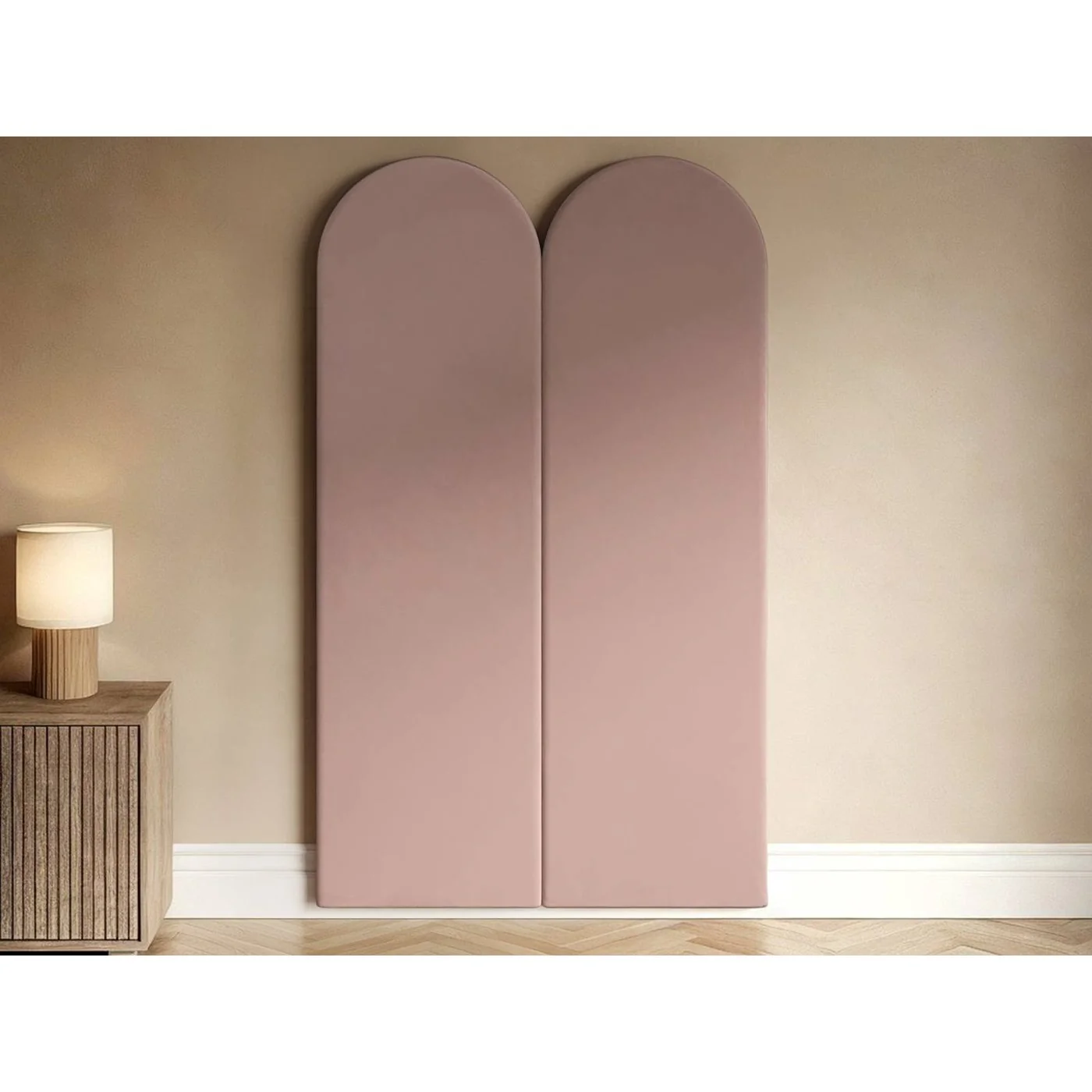
For bedrooms with statement walls, consider pairing sconces with headboards or wall panels. The SOLACE+CO Cirrus Headboard Wall Panels in soft velvet tones reflect light beautifully and create a gentle backdrop for evening reading.
Flexible Swing-Arm Options
Swing-arm wall lights are particularly practical. You can pull them closer for bedtime reading and push them back when you want a wider pool of light. Look for models with neutral finishes that blend into the background during the day.
Bedside Lamps for Practicality and Style
A good bedside lamp is both functional and decorative. Place one on each side of the bed for symmetry, choosing heights that clear your pillows when you sit up. Lamps with fabric shades give a warmer light than metal or glass alternatives.
Table lamps also work well on bedside tables. A pair of matching lamps creates a cohesive look, while contrasting styles can add personality. If your bedside tables are part of a matching set, keep the lamps simple so they do not compete with the furniture.
For a calmer evening routine, choose lamps with low-level settings or three-way switches. This allows you to reduce brightness gradually as you prepare for sleep.
Smart Bulbs and Dimmable Solutions
Smart bulbs bring flexibility without changing your existing fittings. They connect to an app or voice assistant so you can adjust brightness, colour temperature and even set schedules from your phone.
Warm white or soft amber tones are ideal for the hour before bed. Many smart bulbs let you programme a gradual dim at a set time, mimicking a natural sunset. In the morning, you can set a gentle wake-up light that increases slowly to replace an alarm clock.
Smart bulbs work in pendants, wall sconces and table lamps alike. If you already own favourite light fittings, simply replace the bulbs rather than buying new fixtures. This approach is especially useful in rented homes where permanent changes are not possible.
Colour Temperature and Circadian Rhythm
Cool white light is useful for tasks such as choosing clothes or applying makeup, but it can feel stimulating in the evening. Switching to warmer tones after sunset helps signal to your body that it is time to relax. Smart systems make this change effortless.
Combining Layers for Different Times of Day
A practical lighting scheme uses all layers together. In the morning, turn on the pendant and a bright bedside lamp while you get ready. During the evening, switch to wall sconces and a single low lamp for reading. At bedtime, dim everything to a gentle glow or use smart bulbs set to a night-time scene.
Consider the position of windows and mirrors too. Natural light changes throughout the day, so artificial lighting should complement rather than fight against it. A well-placed mirror can help bounce soft light around the room, especially when paired with bedroom mirrors.
If you have storage furniture nearby, keep lighting clear of tall wardrobes or chests that might cast unwanted shadows. A carefully planned layout ensures every corner of the room feels considered.
Lighting for Children’s Bedrooms
Children’s rooms need lighting that grows with them. Bright overhead light helps with play and homework, while softer options encourage calm at bedtime. A combination of ceiling light, wall sconces and a fun bedside lamp usually works best.
For younger children, look at options that include night-light settings. Many smart bulbs offer this feature, allowing a very low glow without leaving a main light on. Pairing lighting with practical furniture such as the Flair Loop Midsleeper Bed Full Set White creates a complete, well-lit space that supports both rest and play.
Older children may prefer individual reading lights or adjustable lamps on their bedside tables. Giving them control over their own lighting helps them develop good sleep habits early.
Finishing Touches and Common Mistakes to Avoid
Avoid installing lights that are too high or too low. Pendants should clear head height when you stand, while bedside lamps need to illuminate the page without shining directly into your eyes. Test positions with temporary fittings before making permanent holes.
Consider the colour of your walls and soft furnishings. Light colours reflect illumination better than dark ones, so you may need fewer or lower-wattage bulbs in a pale room. Darker bedrooms often benefit from additional wall sconces to prevent gloomy corners.
Finally, think about maintenance. Choose fittings that are easy to clean and bulbs that last. LED and smart options use far less energy and rarely need replacing, making them a sensible long-term choice for the bedroom.
With thoughtful layering of pendants, wall sconces, lamps and smart bulbs, your bedroom can shift easily from practical daylight use to a calm, inviting space at night. The result is a room that supports both your daily routine and your rest.
← Back to the Bed Kingdom blog