
How to Audit Your Bedroom Storage Needs Before Buying a New Bed
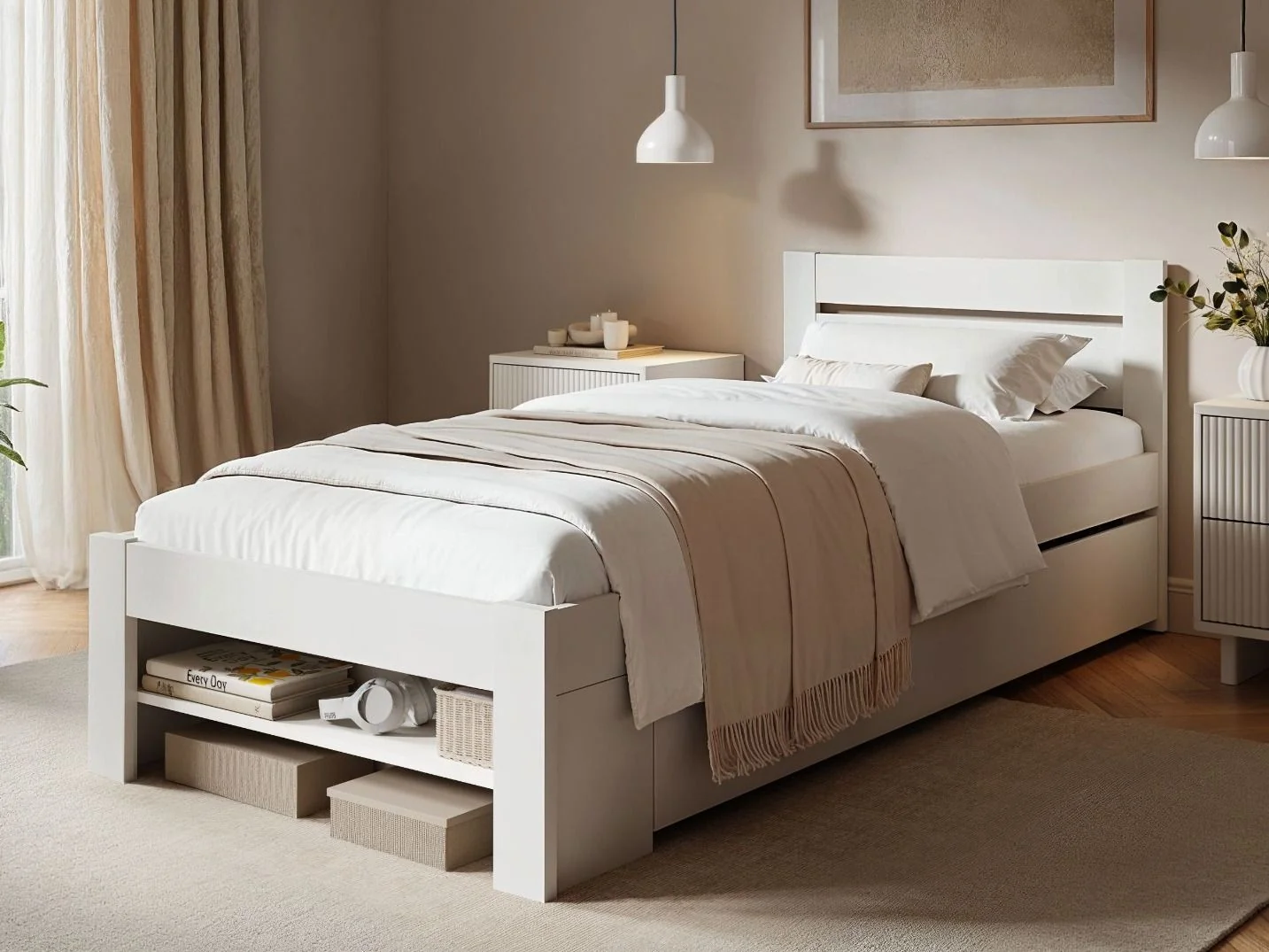
Before you choose a new bed it pays to know exactly how much and what kind of storage your bedroom really needs. A quick audit stops you buying something that looks perfect in the showroom but fails to solve the clutter that actually keeps you awake. This guide walks you through a practical bedroom storage audit so you can pick the right solution first time.
Step 1: Clear everything out and take stock
Start by emptying every drawer, shelf and cupboard in the room. Pile items into three groups: keep, donate and needs better home. This honest clear-out reveals how much stuff you are actually storing and where the pressure points are.
Questions to ask during the clear-out
- Which items do you reach for every day?
- What is stored but rarely used?
- Are there seasonal items that could live elsewhere?
Once the room is empty, measure the floor space and note the position of doors, windows and radiators. These details matter when you later consider storage beds.
Step 2: Identify your main storage pain points
Look at the piles you created. Are clothes overflowing because the wardrobe is too small? Is the floor covered in toys because there is nowhere to put them at night? Do you need quick access to books and chargers beside the bed? Write each problem on a piece of paper and rank them by how much they annoy you. This list becomes your shopping brief.
For families the biggest pain is usually children’s bedrooms. A kids storage bed can transform the situation by lifting the sleeping area and creating space underneath for baskets, drawers or even a small desk.
Step 3: Match storage types to your lifestyle
Different storage solutions suit different households. If you like a calm, minimalist look, choose furniture with hidden compartments. If you need to see everything at a glance, open shelving or a wardrobe with glass doors may work better.
Consider these common options:
- Ottoman beds that lift at the foot for bulky items such as spare duvets
- Drawer beds that offer easy access without lifting heavy lids
- Mid-sleeper and high-sleeper designs that combine sleeping, storage and study space
- Separate pieces such as chest of drawers or bedside tables for smaller rooms
Flair, Solace+Co, Maxitex, Recoil and Noomi all offer practical designs that address these needs. For example the Flair Millie Low Sleeper House Bed with Storage creates a cosy den while hiding toys underneath, and the Noomi Pradis Single Storage Bed provides simple, sturdy under-bed space in a clean white finish.
Step 4: Think about the whole room layout
A new bed changes how you use the rest of the bedroom. Measure your current bed and the proposed replacement to see how much extra floor space you will gain or lose. Factor in clearance for opening drawers or lifting an ottoman lid. Leave at least 60 cm on each side of the bed for easy making and changing sheets.
If the room also needs to work as a home office or play area, look at beds that incorporate a desk. The Flair Oban Single Mid Sleeper Bed with Pull-Out Desk & Storage is a good example that keeps the floor clear while giving homework space.
For adults who want extra seating as well as storage, an ottoman storage footstool can sit neatly at the end of the bed and hold throws or magazines.
Step 5: Consider future needs
Bedrooms rarely stay the same. A baby on the way, a child moving to secondary school or a shift to working from home can all change your storage requirements. Choose flexible pieces that can adapt. Modular systems or beds with additional storage modules let you add capacity later without buying an entirely new bed.
In children’s rooms, bunk beds with built-in storage can grow with the family. The Flair Oscar Staircase Triple Bunk Bed with Storage offers three sleeping spaces plus generous drawers and shelves, ideal for shared rooms or frequent sleepovers.
Step 6: Pull your findings together and shop with confidence
By the end of the audit you should have a clear list of must-have features. Take it with you when you browse. Check that any bedroom set you like can actually hold the volume of items you need to store. Remember that a well-planned room feels larger even if the bed itself is the same size.
Pair your new storage bed with a supportive mattress. Many people choose memory foam mattresses for their pressure relief and quietness, especially in rooms where storage furniture may be moved frequently.
Once the bed is in place, add smaller touches to complete the look. A new soft furnishing or mirror can make the whole room feel finished and calm.
Performing this audit takes an afternoon but saves months of living with the wrong bed. You will end up with a bedroom that works for your family, hides the clutter and still looks inviting when you walk through the door.
← Back to the Bed Kingdom blog