
Building Ladder Confidence: Safe Ways to Help Kids Use Bunk Bed Ladders
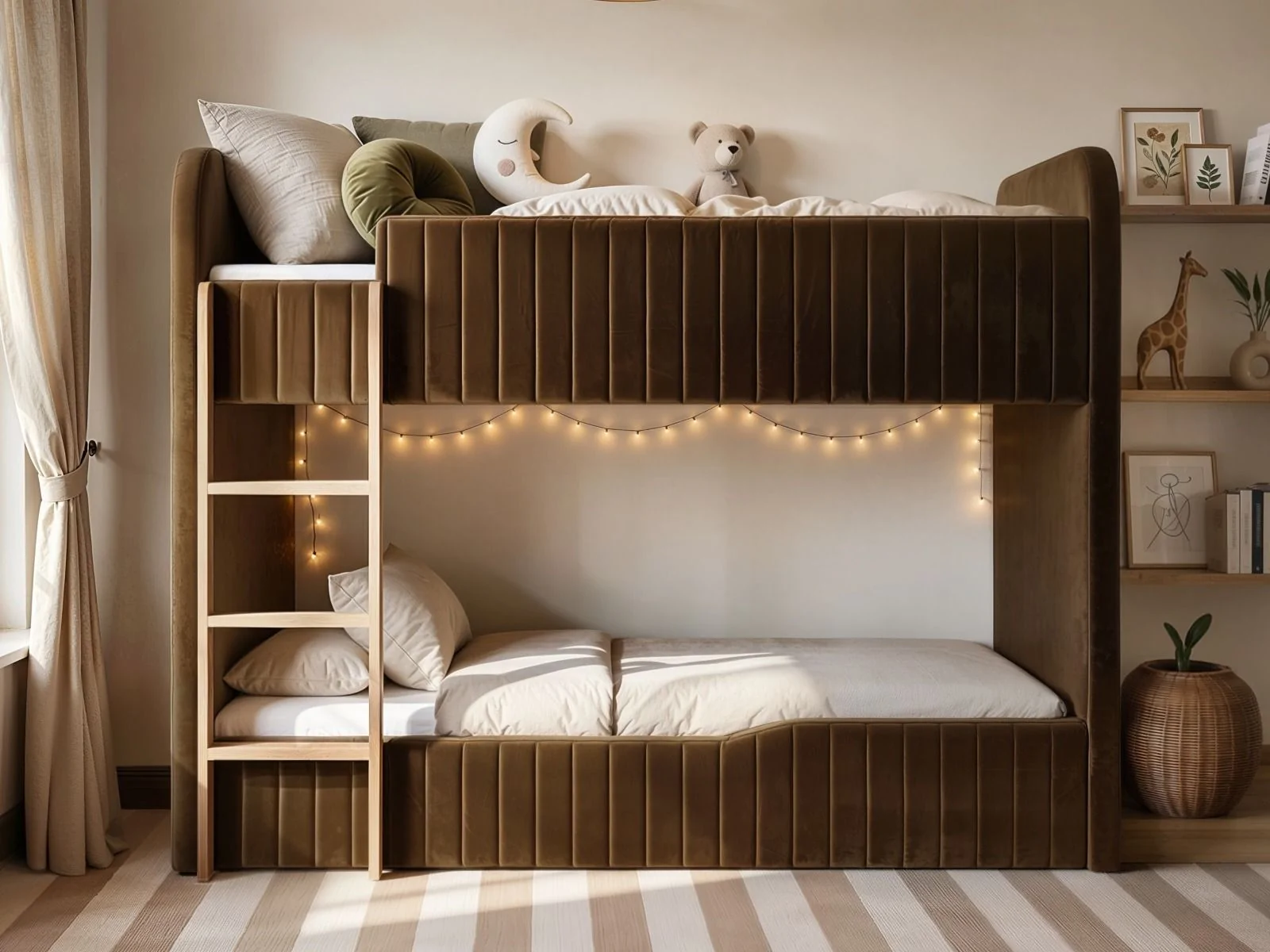
Many parents wonder how to help their child feel secure using a bunk bed ladder. The good news is that with patience, clear steps and the right set-up, most children build confidence quickly and enjoy their new elevated bed.
Why Ladder Confidence Matters for Kids’ Sleep
A bunk bed can transform a child’s bedroom, offering more floor space for play while giving them a cosy spot to sleep. Yet the ladder remains the biggest hurdle for many. When children feel unsteady or anxious about climbing, bedtime can turn into a battle. Building their confidence early creates smoother evenings and helps them associate bed with safety and comfort.
Every child is different. Some bound up without hesitation while others take weeks to feel secure. The key is to remove fear through preparation rather than forcing the issue.
Choosing the Right Bunk Bed Design
The style of bunk bed and access method plays a large part in how easily a child adapts. Traditional ladders with round rungs can feel narrow under small feet. Wider, flat steps or staircases often feel more reassuring.
If your child is particularly nervous, consider bunk beds with stairs instead of a vertical ladder. These provide a gentler incline and often include handrails. For smaller rooms, a low bunk design reduces the height and therefore the perceived risk.
Look at options from trusted names such as Flair. The Flair Venna Panelled Upholstered Bunk Bed with Wooden Ladder combines sturdy construction with a classic wooden ladder that many children find easy to grip. Families who prefer something more playful might like the Flair Eloise Bus Bunk Bed, which turns the bunk into an adventure.
Storage Solutions That Support Safety
Bunk beds with built-in storage can reduce clutter on the floor, making the area around the ladder safer. Models such as the Kids Avenue Estella Grey Single Bunk Bed with Underbed Storage keep the room tidy so children are less likely to trip when climbing down in the night.
Teaching Safe Ladder Techniques Step by Step
Start on the ground. Show your child how to face the ladder, place their hands firmly on the sides or rungs, and step up one foot at a time. Practise the motion together during the day when there is no pressure to sleep.
Use these simple rules:
- Always face the ladder when going up or down.
- Keep both hands on the ladder at all times.
- Take one step at a time rather than rushing.
- Never jump off the top bunk.
Repeat the routine every evening for the first few weeks. Verbal reminders help the actions become automatic. Praise small successes – even reaching the second rung counts.
Creating a Secure Sleep Environment
Confidence grows when children know the whole sleeping space is safe. A supportive children’s mattress such as the Maxitex Kids Premier Sprung Mattress or the Maxitex Kids Magic Memory Foam Mattress helps them feel grounded rather than wobbly.
Check that the guard rail is high enough and securely fitted. Keep the ladder area clear of toys and clothing. A small night light near the bottom of the ladder reduces the chance of misjudging a step in the dark.
For very young children or those who still feel uneasy, a low bunk bed such as the Kids Avenue Milo can be a sensible first step before moving to a full-height model.
When to Consider Alternatives to Ladders
Not every child will love a ladder, and that is perfectly normal. Some bunk beds come with stairs built in, which many parents find easier for children under five or those with balance concerns. The Kids Avenue Urban Single Wooden Bunk Bed with Stairs offers wide, shallow steps that feel more like ordinary stairs.
Another option is a bunk bed with storage that includes drawers or a trundle, keeping everything within easy reach so children do not need to climb up and down as often.
If space allows, starting with a standard single bed and progressing to a bunk later can also build confidence gradually. Explore the full Kids’ Beds range to find the right transition piece.
Encouraging Independence at Bedtime
Once your child can climb the ladder safely, use the routine to promote independence. Let them choose their bedtime story or pyjamas. A consistent sequence – brush teeth, climb ladder, read story, lights out – helps the brain associate the ladder with pleasant rituals rather than worry.
For older children who share a bunk bed, the top bunk often becomes a badge of honour. The child on the bottom can still practise using the ladder during the day so they feel capable if they ever need to swap places.
Keep an eye on how they move for the first month. If worries persist, a simple conversation about what specifically feels scary can reveal whether it is height, grip or fear of the dark.
Long-Term Benefits of Mastering the Ladder
Learning to use a bunk bed ladder builds more than just physical skill. It teaches balance, following instructions and overcoming small fears. These are useful stepping stones for other childhood challenges.
A well-chosen bunk bed from the Flair Bunk Bed Collection or similar reliable ranges can last through the primary school years and beyond. Pair it with a quality junior mattress and you create a sleep space that supports healthy rest for years.
With a little time and encouragement, the nervous climber often becomes the child who races up the ladder each night. The result is a bedroom that works harder, a smoother bedtime routine, and a child who feels proud of their new ability.
← Back to the Bed Kingdom blog