
How to Sleep Peacefully as a Couple with Different Bedtimes
When your bedtime and your partner’s rarely match, good sleep can feel out of reach. One person wants to read or watch television while the other needs darkness and quiet. With a few practical adjustments and the right bed setup, couples can share a bedroom peacefully without disturbing each other’s rest.
Understand the Impact of Different Bedtimes
Mismatched sleep schedules often lead to broken sleep. The early riser may feel woken by light or movement, while the night owl worries about disturbing their partner. Recognising the problem is the first step towards finding workable solutions that suit both of you.
Establish Clear Bedtime Routines
Consistent routines signal to the body that it is time to wind down. Agree on a compromise bedtime window where possible, or create separate pre-sleep rituals. The person going to bed later can use low lighting in another room and keep noise to a minimum. Simple changes like using earplugs or a white-noise machine help mask sounds from a partner who stays up later.
Consider a Sound Machine
A gentle, steady sound can block out footsteps, television noise or reading lights. Choose a device with a timer so it switches off once you are asleep. Many couples find that a consistent background sound helps both partners fall asleep faster and stay asleep longer.
Master Light Control
Light is one of the biggest disruptors for the person trying to sleep while their partner is still awake. Blackout curtains or blinds make a real difference. An eye mask offers an easy, portable solution for blocking out reading lamps or phone screens. Choose a soft, contoured mask that stays in place without pressure on the eyes.
Choose the Right Mattress for Independent Sleep
A standard mattress can transmit movement, so one partner’s late-night adjustments wake the other. Split mattresses solve this neatly. Two single mattresses zipped or placed together give each person their own support and reduce motion transfer. Look at single mattresses that can be paired side by side for a seamless feel.
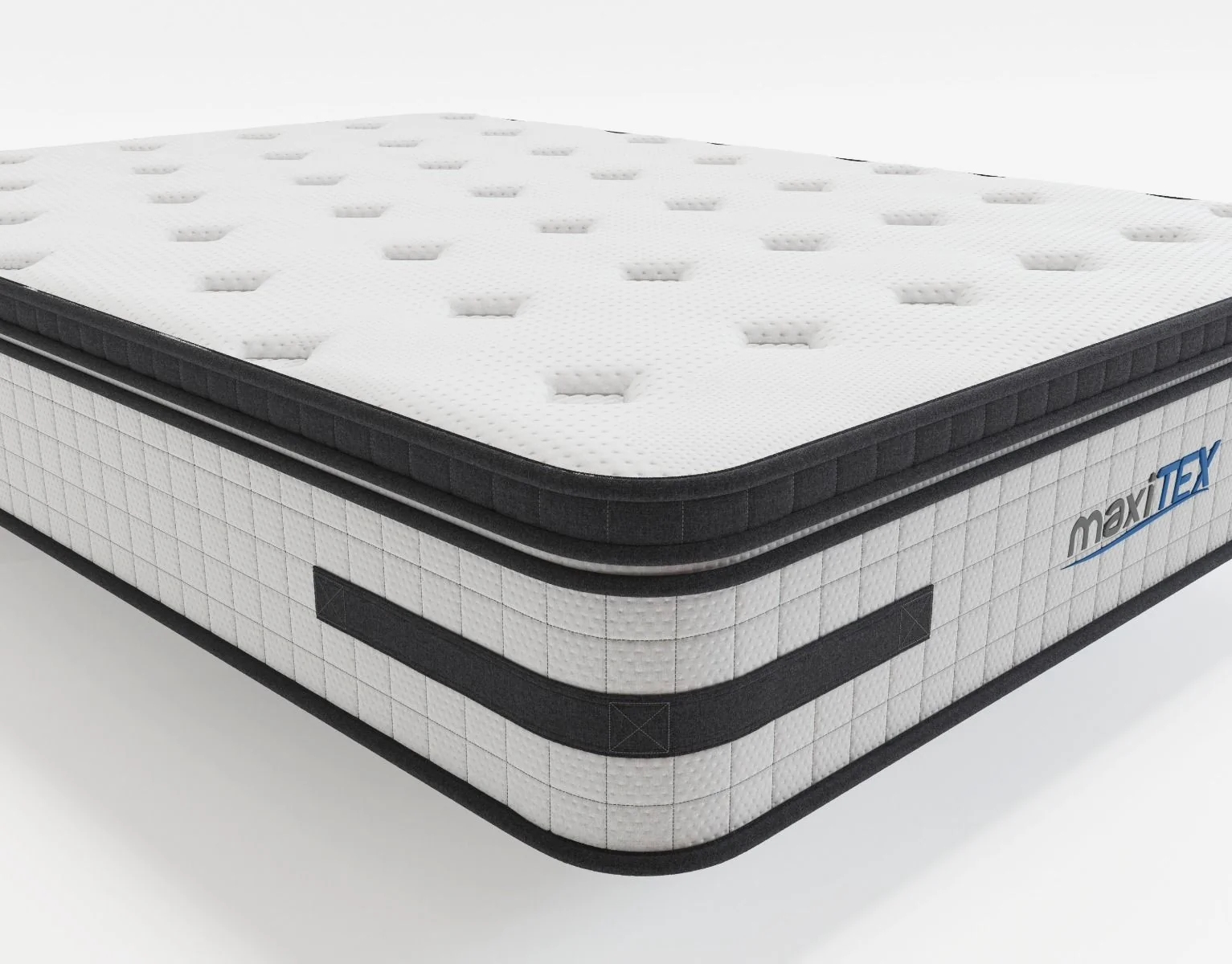
For couples who prefer one large surface, a hybrid design offers good isolation. The Maxitex Hybrid 3000 Pocket Sprung Memory Mattress combines pocket springs with memory foam to minimise bounce between partners. Those who like a firmer feel might prefer the supportive layers in Maxitex Diamond Dual Season 1000 Pocket Memory Mattress.
Explore Different Firmness Options
When sleep times differ, comfort preferences often do too. One partner may need a medium feel while the other wants firmer support. A split king configuration lets each choose independently. Browse king mattresses and consider pairing two different models for true customisation.
Use Mattress Toppers for Personalised Comfort
If replacing the mattress feels like too big a step, a quality topper can adjust firmness and cushioning on each side. Memory-foam toppers add a layer of pressure relief that absorbs movement. Check the range of mattress toppers to find options that suit both body weights and sleeping positions.
For those who run hot or cold at different times, a dual-season topper provides breathability on one side and extra warmth on the other. This small addition can make sharing a bed far more comfortable when bedtimes are out of sync.
Consider Separate Bedding and Zones
Sharing one duvet can create tension when one person likes it tucked tightly and the other prefers it loose. Using two single duvets on a larger bed prevents tug-of-war and lets each partner control their temperature. The same principle applies to pillows: choose shapes and fillings that support individual sleep postures.
Dividing the bed into clear zones with a narrow bolster cushion down the middle can also reduce disturbance. It creates a gentle physical barrier that reminds both partners to respect the other’s space during late-night movements.
Communicate and Compromise
Talking openly about sleep needs prevents small irritations from growing. Share what helps you fall asleep and what wakes you. Some couples agree that the later person reads in the living room until their partner is deeply asleep. Others invest in wireless headphones so television or music does not travel across the room.
Regular check-ins help. What worked in summer may need tweaking when the clocks go back and evenings draw in earlier. Keep the conversation practical and focused on solutions rather than blame.
When to Think About Two Beds
Some couples reach a point where a single shared bed no longer meets both needs. Two separate beds placed close together can still offer closeness while allowing completely different schedules. Many find this arrangement improves daytime mood and reduces nightly friction.
If full separation feels too stark, a mattress with excellent motion isolation combined with the accessories already mentioned often provides enough independence. Brands such as Recoil and Solace+Co offer models designed to absorb movement, making them sensible choices for couples with contrasting routines.
Whatever path you choose, the goal remains the same: protecting both partners’ sleep so you can enjoy your time together when you are both awake. Small changes to lighting, sound and bedding, paired with a thoughtful mattress choice, can transform restless nights into peaceful ones.
← Back to the Bed Kingdom blog