
Dining Sets Buying Guide: How to Choose the Right Size
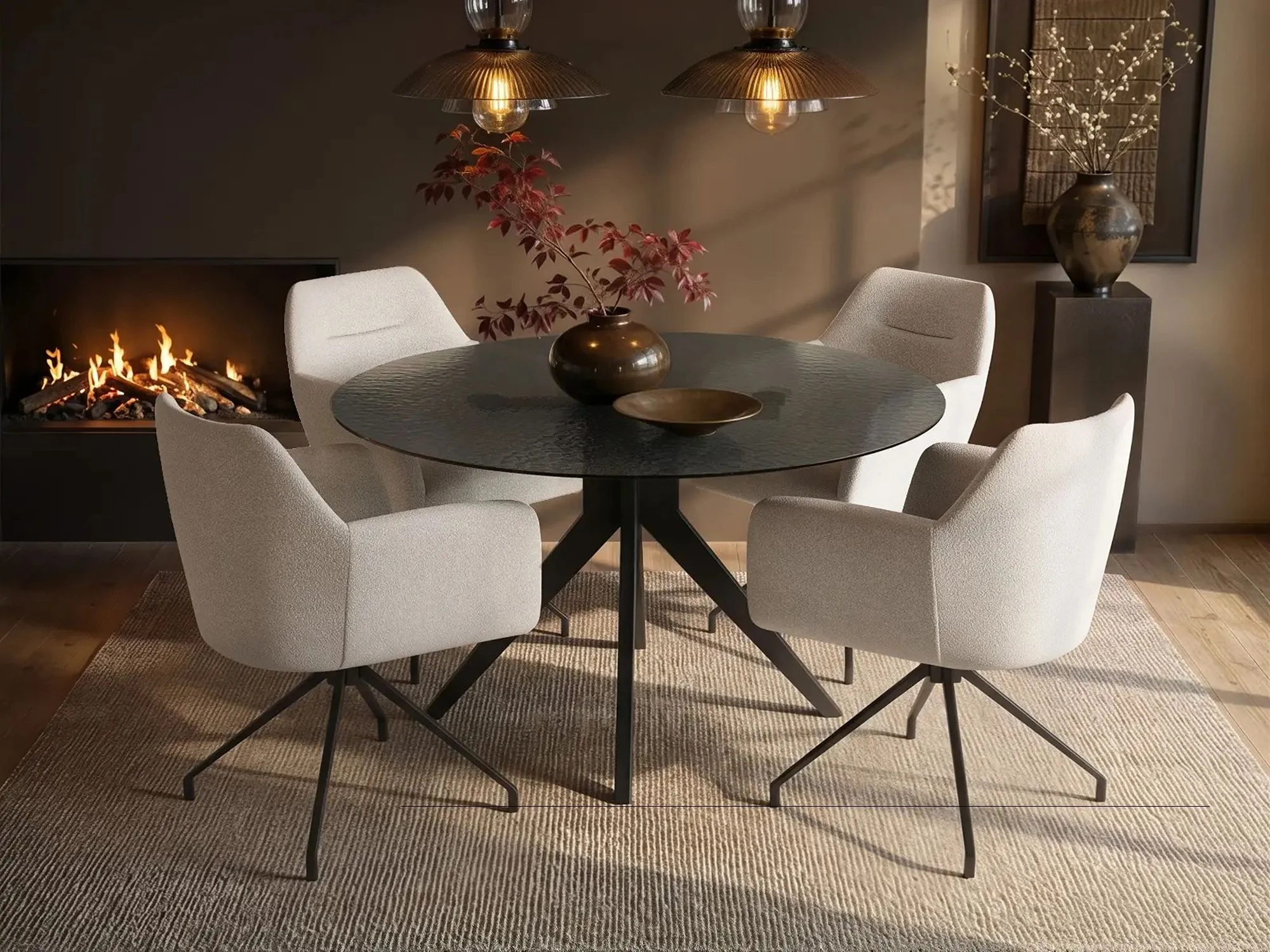
The right dining set should fit both your room and the number of people you seat most often. Measure the available space, allow room to pull chairs out comfortably, then choose a table shape that suits the room. Compact round or square sets suit smaller spaces, while rectangular or extendable sets work well for larger households.
What Is a Dining Set?
A dining set combines a dining table with coordinating chairs, giving you a ready-made arrangement rather than requiring you to match everything separately.
Sets can range from compact two-seater options to larger configurations for six people or more.
They're particularly useful for first-time buyers because the chairs and table have already been selected to work together in terms of size and style.
If you're ready to compare your options, browse our dining sets
How to Choose the Right Dining Set Size
Start with your room, not the number on the product title.
A six-seater might technically fit into a space, but that doesn't mean you'll have enough room to pull the chairs out, walk behind them or open nearby cupboards and doors.
Measure Your Dining Area
Measure the length and width of the area where the table will sit. Remember to account for skirting boards, radiators, sideboards, door openings and other furniture.
Allow around 60cm of space around the table as a useful starting point for pulling chairs in and out. If people regularly need to walk behind occupied chairs, extra clearance will make the space much easier to use.
A simple trick is to mark the proposed tabletop dimensions on the floor with masking tape before ordering. This gives you a much clearer idea of how the table will feel in the room.
Dining Table Size by Seating Capacity
There isn't one universal dimension for every seating capacity. Chair width, table legs and the shape of the tabletop all influence how many people can sit comfortably.
Use these measurements as a practical starting point:
| Seating capacity | Rectangular table | Round table | Best suited to |
|---|---|---|---|
| 2–4 people | Around 80–120cm long | Around 80–100cm diameter | Kitchens, flats and smaller dining areas |
| 4–6 people | Around 140–180cm long | Around 120–140cm diameter | Everyday family dining |
| 6–8+ people | Around 200cm+ long | Around 150cm+ diameter | Larger rooms and regular entertaining |
Dining Table Shapes Explained: Rectangle vs Round vs Square
Table shape can affect your room almost as much as table size.
A good rule is to look at the proportions and traffic flow of the room before deciding which shape you prefer.
| Shape | Best for | Main advantage | Consider |
|---|---|---|---|
| Rectangular | Long rooms, families, entertaining | Fits more seating efficiently | Corners require more circulation space |
| Round | Compact or awkward spaces | Easy movement and sociable layout | Large round tables need considerable width |
| Square | Square rooms and smaller households | Compact, balanced arrangement | Less practical for larger groups |
Rectangular Dining Tables
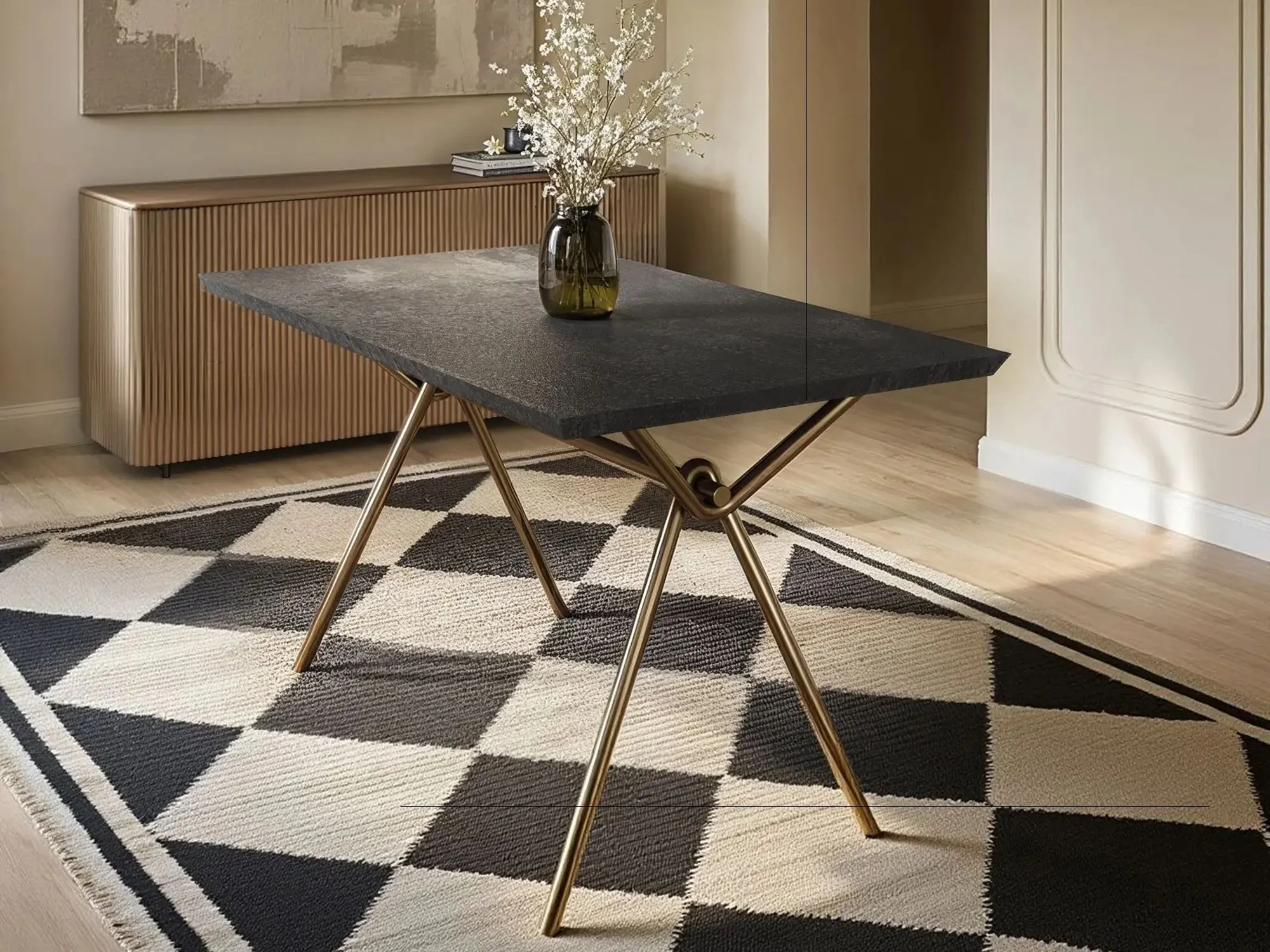
Rectangular tables are one of the most practical choices for family dining and larger groups.
Their long shape works naturally in rectangular rooms and makes it relatively easy to arrange several chairs along each side.
They're a strong choice if you regularly host family meals, celebrations or dinner with friends.
Round Dining Tables
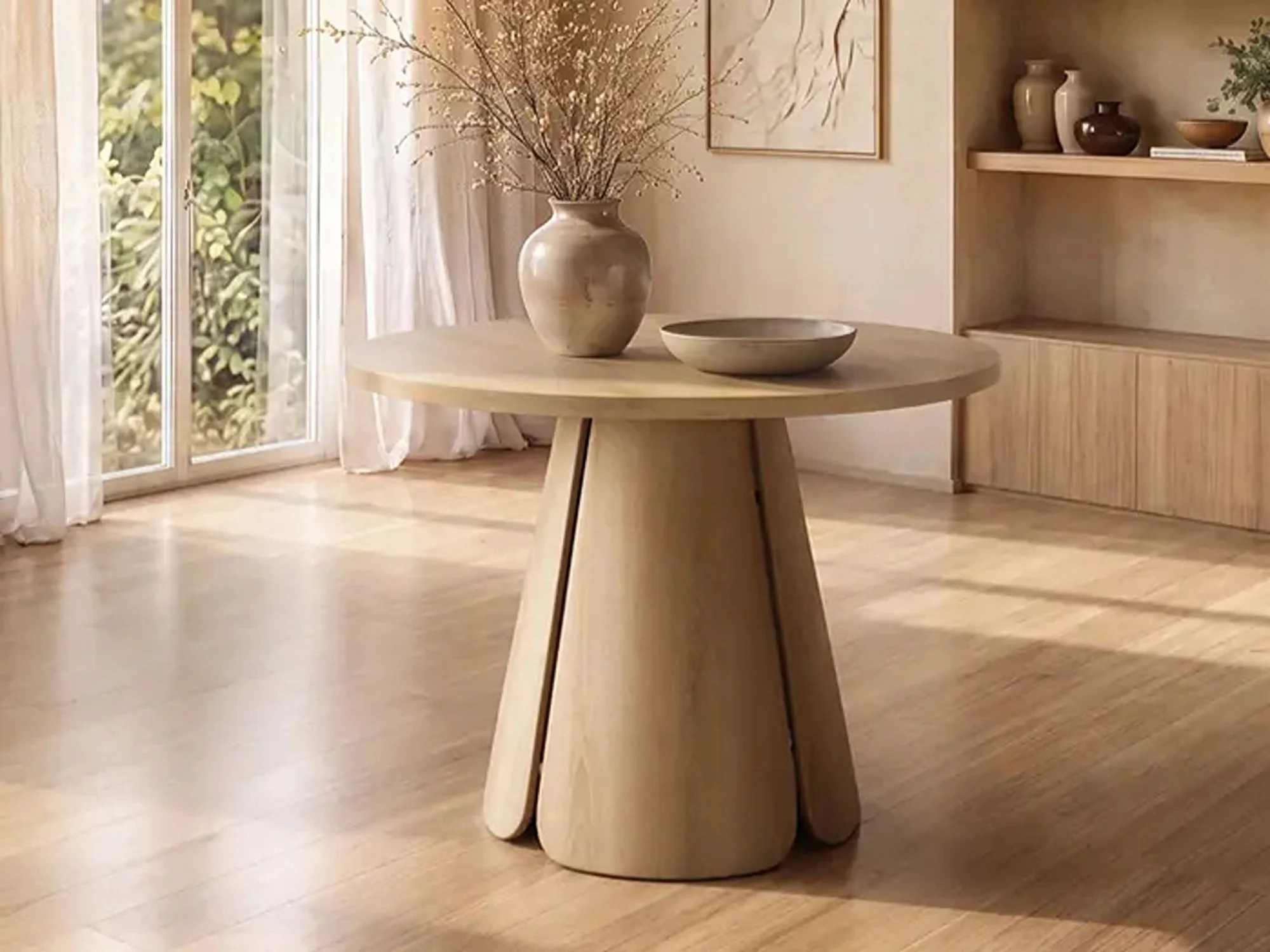
Round tables work particularly well where circulation matters.
With no projecting corners, they can feel less intrusive in compact or awkward layouts. They also allow everyone around the table to face one another more naturally, making them well suited to sociable dining.
For a small kitchen-diner or square room, a four-seater round table can be especially practical.
Square Dining Tables
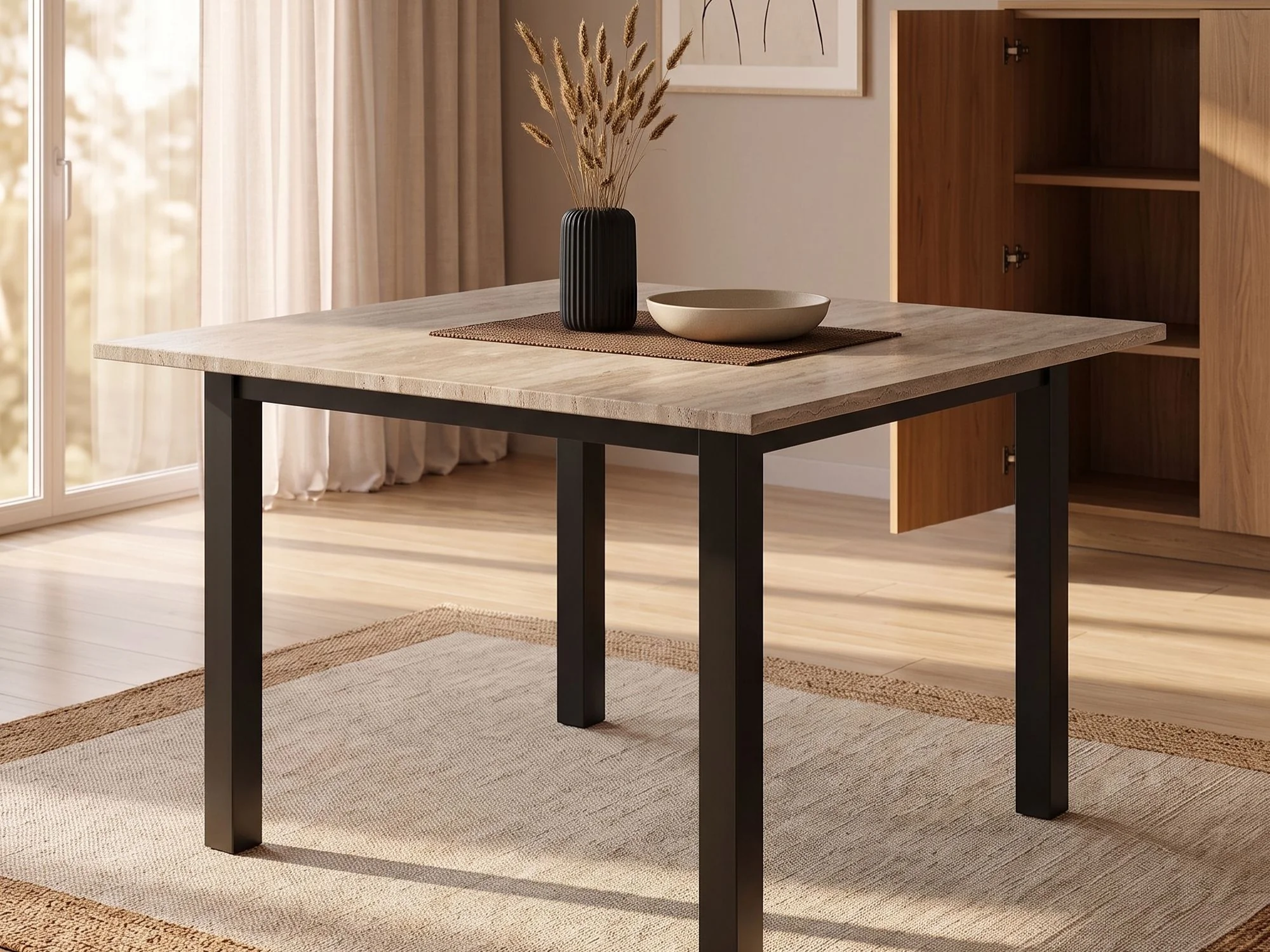
Square tables suit square rooms and smaller households particularly well.
A compact four-seater gives everyone a similar amount of table space without the length of a rectangular design.
However, larger square tables can leave people sitting a long way apart, so they're generally most practical for smaller groups.
What About Extendable Dining Tables?
An extendable table gives you two footprints in one.
Keep it compact for breakfast and everyday meals, then increase the surface when guests arrive. It's particularly useful where you occasionally need six seats but don't have room to leave a larger table fully extended all the time.
Which Dining Table and Chairs Should You Choose?
Buying a complete set removes much of the guesswork, but comfort still matters.
Check the dimensions of both the table and chairs rather than focusing purely on appearance. Wider upholstered chairs and designs with arms require more space than slim armless chairs, so two six-seater sets can have noticeably different footprints.
Common Dining Set Buying Mistakes
One of the biggest mistakes is measuring the table but forgetting the chairs.
Another is buying for occasional guests rather than daily life. An eight-seater might be useful at Christmas, but if it makes your dining space difficult to navigate throughout the rest of the year, an extendable table may be the better choice.
It's also worth checking table leg placement. A tabletop may appear wide enough for several chairs, but pedestal bases, cross frames or legs positioned close to the seating area can affect how comfortably chairs fit underneath.
Finally, check access before ordering. Measure doorways, hallways and any tight corners between your entrance and dining room, particularly when choosing a larger table.
What Are the Most Popular Dining Room Sets?
Rather than one dining set being right for everyone, a few configurations are particularly versatile.
Four-seater dining sets work well for couples and smaller families, while six-seater sets provide extra room for larger households and entertaining.
Extendable dining sets are particularly useful where flexibility is important, while compact two-seater options suit smaller kitchens and flats.
In terms of style, upholstered dining chairs, wood finishes, glass tabletops and metal details can all create very different looks. Choose a design that works with your room rather than simply following a short-term trend.
Key Takeaways
The best dining set isn't simply the one with the most seats. It's the one that gives you enough seating without making the room harder to use.
Measure carefully, account for chair movement, choose a table shape that complements the room and buy primarily for the number of people who'll use the set every day.
Find the Right Dining Set for Your Space
Choosing the right dining set comes down to three things: how much room you have, how many people you need to seat and how you use your dining area.
Measure before you buy, leave enough space around the chairs and choose a shape that complements your room rather than overcrowding it.
Explore the dining sets collection at Bed Kingdom to find compact two-seaters, family-friendly four- and six-seater sets and flexible extendable designs for your home.
← Back to the Bed Kingdom blog