
How Your Body Clock Really Works
Your body clock, also known as the circadian rhythm, is the internal timing system that runs on a roughly 24-hour cycle and helps coordinate when you feel alert and when you feel ready for sleep. It responds mainly to light and dark cues from the environment and influences far more than just bedtime.
What Exactly Is Circadian Rhythm?
Circadian rhythm comes from the Latin words for "around" and "day". It is the natural pattern your body follows each day and night. The master clock sits in a small part of the brain called the suprachiasmatic nucleus. This clock receives information about light from your eyes and then sends signals to the rest of the body to keep everything in sync.
Peripheral clocks in organs such as the liver, heart and lungs follow the master clock but can also be influenced by when you eat or exercise. The whole system works best when your daily routines stay consistent.
How Light and Darkness Guide Your Clock
Light is the strongest signal for your body clock. Morning sunlight tells the brain to reduce melatonin production and increase alertness. As daylight fades, the brain begins to release melatonin, the hormone that prepares the body for rest.
Artificial light in the evening, especially from screens, can delay this process and push your internal schedule later. That is why many people find it harder to fall asleep after a long evening on their phone or laptop.
Everyday example: winter mornings
In the UK, when clocks go back at the end of October, the darker mornings can make it feel harder to wake up because your circadian rhythm still expects brighter light. Simple steps like opening curtains as soon as you rise can help reset the system.
Jet Lag and the Body Clock
Jet lag happens when you cross several time zones and your internal clock no longer matches the local day-night cycle. Your body might still want to sleep when everyone around you is starting their day.
The rhythm gradually adjusts, usually by about one hour per day. Travellers often feel groggy until the master clock catches up with the new light schedule. Staying hydrated and getting outside in natural light at the destination helps the process along.
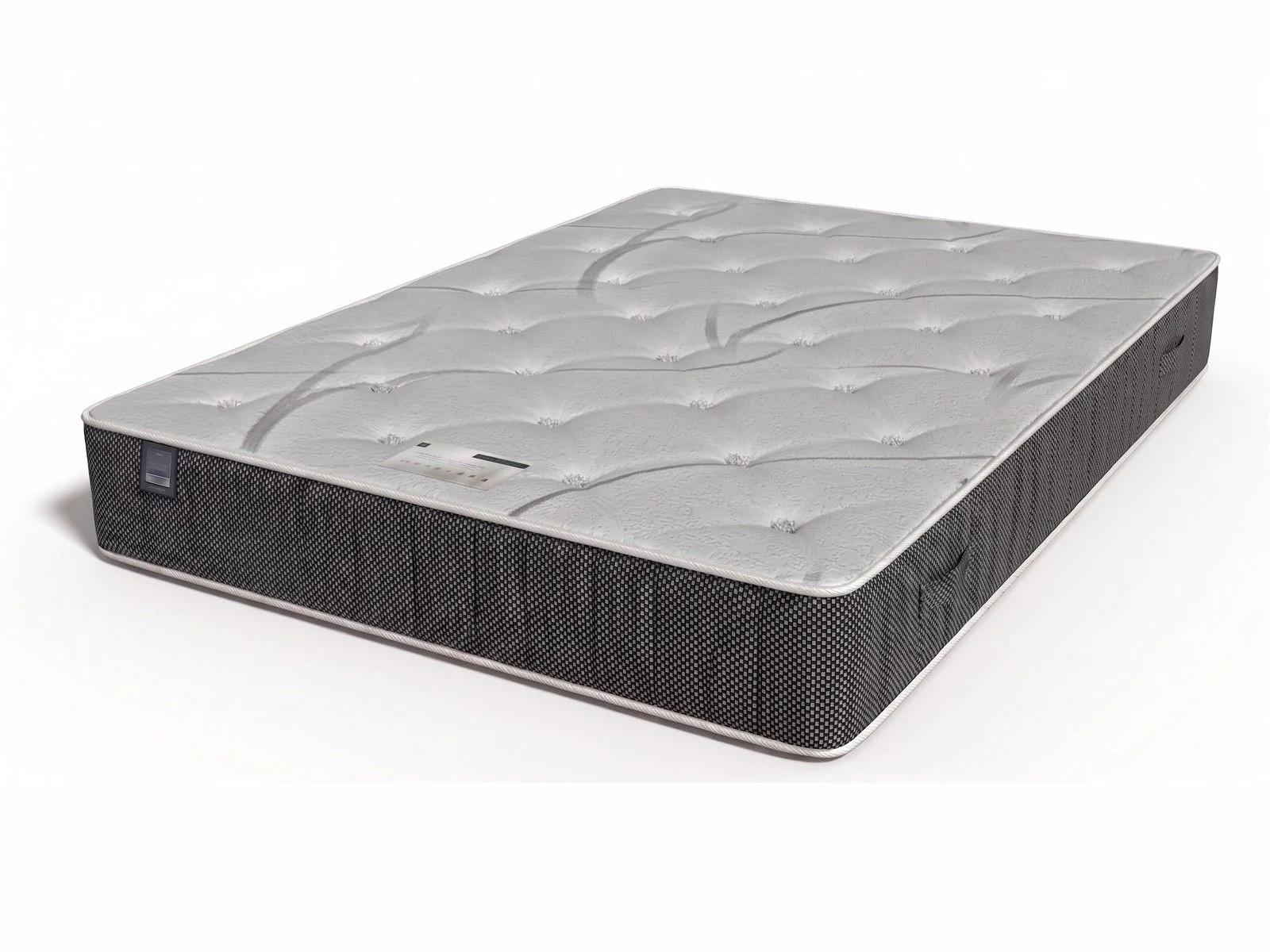
If you travel regularly, keeping a stable sleep routine at home with a supportive mattress can make recovery smoother. Many people choose Maxitex Diamond Dual Season 1000 Pocket Memory Mattress because it offers consistent comfort no matter what time you finally settle.
Shift Work and Circadian Challenges
Night shifts turn the usual light-dark pattern on its head. The body wants to be alert during daylight but must stay awake at night and sleep during the day when light is strong.
Shift workers often experience a mismatch that leaves them tired at work and restless at home. Over time the circadian rhythm can partially adapt, but it rarely flips completely. Using blackout curtains during the day and avoiding bright light after a night shift can reduce the clash.
A good bed makes daytime sleep more effective. SOLACE+CO mattresses are designed for reliable support, which helps when your schedule is anything but routine.
The Role of Temperature and Routine
Your core body temperature also follows a circadian pattern. It rises during the day and drops in the evening, helping you feel sleepy. A cool bedroom supports this natural dip.
Consistent meal times, exercise and bedtime all reinforce the rhythm. Irregular habits send mixed signals and can make the clock harder to read.
Practical ways to support your rhythm
- Get natural light soon after waking, even on cloudy UK days.
- Keep evening light levels low in the hour before bed.
- Maintain similar bed and wake times seven days a week.
- Use the bedroom mainly for sleep rather than screens or work.
Choosing the right bedding can improve how easily you settle. Mattress Toppers add an extra layer of comfort that many find useful when adjusting routines.
Circadian Rhythm Across Ages
Children and teenagers have slightly different patterns from adults. Young children often wake early while teenagers experience a natural delay that makes them feel sleepy later at night. This shift can clash with school start times.
Creating a calm bedroom environment helps everyone in the household. For younger children, Kids' Beds from Flair provide sturdy, practical options that suit growing bodies and encourage consistent routines.
Parents often pair these with a supportive mattress such as the Maxitex Kids Magic Memory Foam Mattress to help children settle more readily at the right time.
Why Consistency Matters More Than Perfection
Your circadian rhythm does not need military precision, but it does respond well to steady cues. Small daily habits have a bigger effect than occasional perfect nights.
Simple changes like a fixed wind-down routine or a comfortable bed can improve how well your body clock works. If you often struggle with timing, look at your light exposure and daily schedule before making bigger adjustments.
Quality sleep surfaces support whatever schedule you keep. Memory Foam Mattresses from brands such as Maxitex or SOLACE+CO adapt to your body and help you make the most of the hours you spend in bed.
Understanding your body clock gives you practical ways to work with it rather than against it. Paying attention to light, routine and your sleeping environment can make a noticeable difference.
← Back to the Bed Kingdom blog