
Best Beds and Mattresses for Snoring Partners in the UK
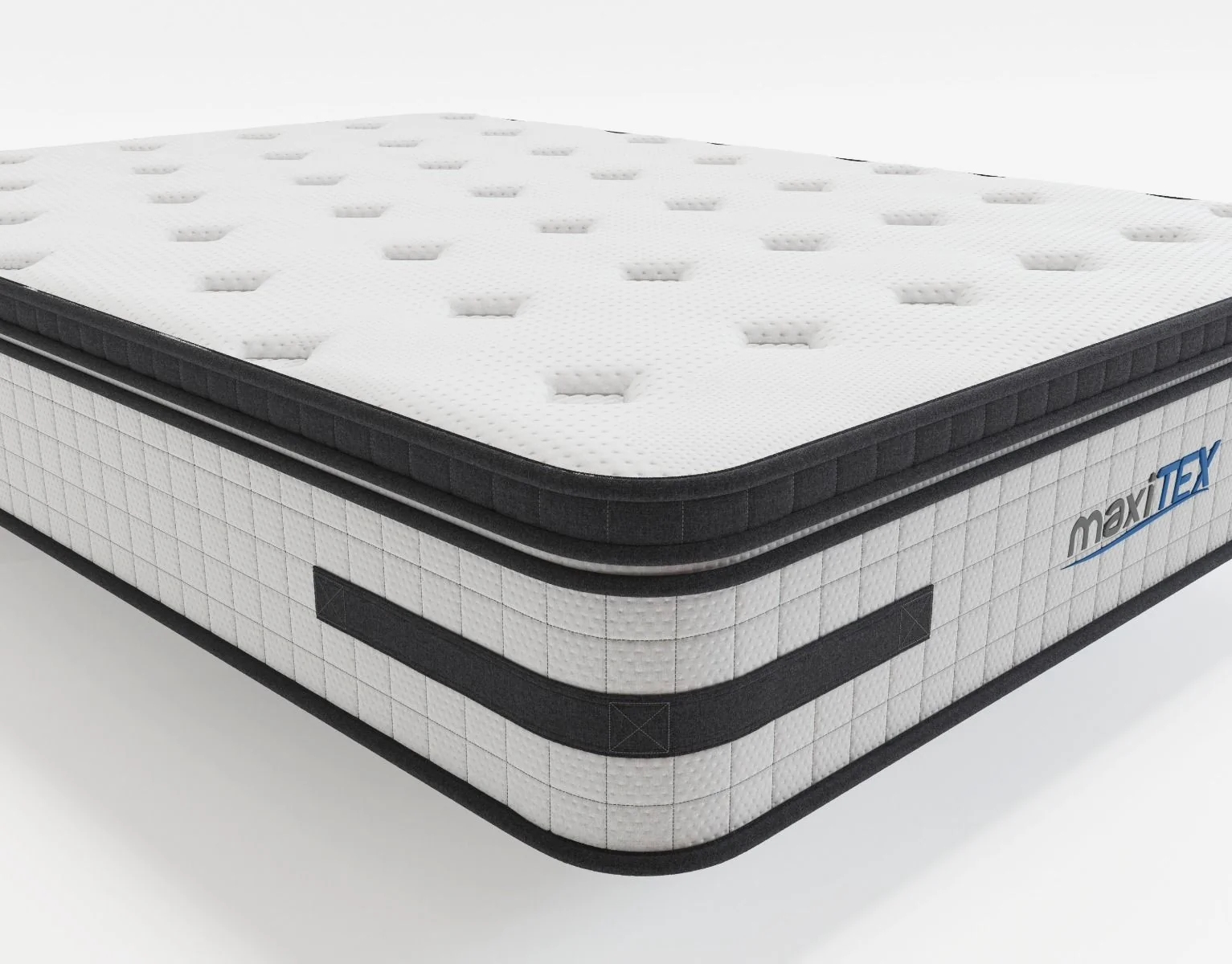
If your partner snores, the right bed setup can help you both rest more soundly. Motion-isolating mattresses, raised bed bases and carefully chosen pillows reduce movement transfer and encourage better breathing positions without disturbing the other person.
Understanding How Snoring Affects Shared Sleep
Snoring often stems from relaxed throat muscles, nasal congestion or sleeping position. In a shared bed the vibrations and movement can jolt the other person awake repeatedly. Choosing sleep surfaces that absorb motion while supporting spinal alignment makes it easier to stay asleep. UK couples frequently find that upgrading both mattress and base brings noticeable improvement.
Motion-Isolating Mattresses That Minimise Disturbance
Hybrid mattresses combine pocket springs with memory foam or latex layers to isolate motion effectively. When one partner shifts or snores, the other feels far less disturbance. Hybrid mattresses are especially popular for couples because they offer support without the trampoline effect of traditional spring models.
Among the strongest options, Maxitex Hybrid 3000 Pocket Sprung Memory Mattress uses individually wrapped springs paired with memory foam to absorb movement while keeping the spine aligned. For those who prefer natural materials, Noomi Bamboo Natural Latex Pocket Sprung Mattress delivers similar isolation with the breathability of latex.
Memory foam models also perform well. Memory Foam Mattresses contour closely to the body, reducing pressure points and limiting motion transfer. Maxitex Cloud Pocket Sprung Pillow Top Memory Mattress adds an extra layer of plush comfort on top of its pocket spring core.
Pocket Sprung Mattresses for Targeted Support
Pocket sprung designs allow each spring to move independently, so snoring-related shifts stay localised. Pocket Sprung Mattresses from Maxitex and Recoil ranges give firm yet responsive support that helps maintain a stable sleep surface.
Choosing the Right Bed Base for Snoring Relief
The base beneath the mattress influences airflow, height and sometimes even snoring itself. Adjustable bases let you raise the head slightly, which can open airways and reduce snoring volume for the partner who snores. Fixed wooden or upholstered bases with good ventilation also prevent heat build-up that can worsen snoring.
Pairing your chosen mattress with a sturdy base from the Flair collection ensures the springs or foam work as intended. A solid platform or sprung slatted base complements hybrid and pocket sprung mattresses by allowing air to circulate and reducing the chance of mould or dust that might aggravate breathing issues.
Anti-Snore Pillows and Supportive Sleep Accessories
The right pillow keeps the head and neck aligned, reducing airway compression. Pillows designed with contoured shapes or extra height encourage side sleeping, which often lessens snoring compared with back or stomach positions.
Memory foam or latex pillows maintain their shape night after night and resist flattening. Many couples add a second pillow or a wedge cushion to elevate the snorer’s head gently. Look for washable covers that keep the pillow fresh and hypoallergenic.
For extra comfort, Throws & Blankets and Cushions from the soft furnishings range let you create a supportive nest without overheating. A lightweight throw across the feet or a small cushion behind the lower back can encourage a stable side-lying posture.
Mattress Toppers and Protectors for Added Comfort
If replacing the entire mattress feels like too much change, a quality topper can add motion isolation and pressure relief. Mattress Toppers in memory foam or latex sit neatly on top of your existing bed and soften impact between partners.
A waterproof yet breathable Mattress Protector keeps the surface clean and dry, which is useful if congestion leads to night sweats. Protectors from the range fit both standard and deeper mattresses and wash easily at home.
Creating a Supportive Bedroom Environment
Beyond the bed itself, small changes help. Blackout curtains, consistent room temperature around 16–18 °C and a regular bedtime routine all support deeper sleep. Soft Furnishings such as rugs and cushions absorb sound and make the room feel calmer, which can reduce anxiety that sometimes makes snoring seem louder.
Keeping the bedroom tidy also limits dust that might inflame nasal passages. Simple habits like using a humidifier in winter or nasal strips for the snorer can complement your new mattress and pillow choices.
Final Thoughts on Shared Sleep Solutions
Finding the best combination takes a little trial but starts with a motion-isolating mattress. Whether you choose a hybrid like the Maxitex Hybrid 3000, a natural latex option from Noomi, or a supportive memory foam model from Maxitex, the goal remains the same: less disturbance for the non-snorer and better breathing support for the one who snores.
Adding the right pillow, a breathable protector and a stable base completes the picture. Many UK couples discover that once both partners sleep more deeply, snoring itself can become less frequent. Take time to consider your usual sleep positions and any shoulder, back or neck sensitivities before you decide. The bedroom should be a place of rest for both of you, and the right bed and accessories help make that possible.
← Back to the Bed Kingdom blog