
Why Night-time Temperature Swings Fragment Your Sleep
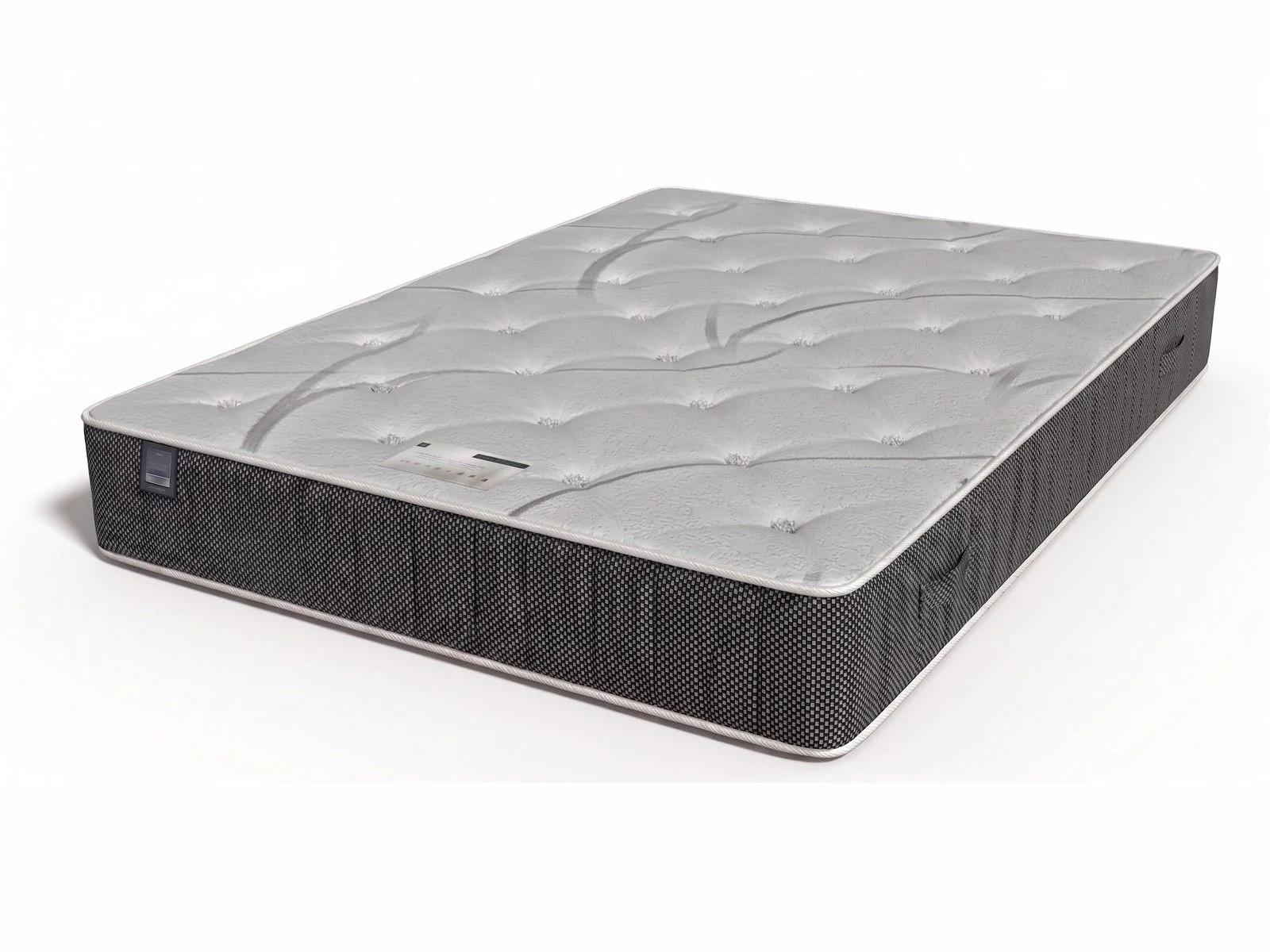
Night-time temperature fluctuations often wake people just as they reach deeper sleep. A room that starts comfortable can become too warm or too chilly, pulling you back to lighter stages and leaving you unrested by morning. The key lies in how each of the four sleep stages responds to changes in body and room temperature.
How Temperature Affects the Four Sleep Stages
Sleep is not one steady state. It cycles through four distinct stages, each with its own temperature needs. Small swings of just a couple of degrees can shorten deeper stages and increase wakefulness.
Stage 1: Light Sleep
This brief transition stage lasts only a few minutes. Your body begins to relax and body temperature starts to drop. A stable, slightly cool room helps you move through this stage without interruption. Sudden warmth here can keep you hovering in light sleep instead of progressing.
Stage 2: Deeper Light Sleep
Heart rate slows and body temperature falls further. A drop in room temperature during the night can cause micro-arousals that fragment this stage. Keeping the bedroom between 16 and 18 degrees supports steady progression.
Deep Sleep and Temperature Sensitivity
Stages 3 and 4 are where physical restoration happens. Your body is least able to regulate its own temperature here, so external swings have the biggest impact.
Overheating in deep sleep often causes night sweats that jolt you awake. Getting too cold triggers shivering or muscle tension that also ends the stage early. Both reduce the total time spent in restorative sleep, which is why many people wake feeling unrefreshed after a night of fluctuating temperatures.
REM Sleep and the Final Cycle
Rapid eye movement sleep brings vivid dreams and mental processing. Brain activity rises closer to waking levels, yet the body remains largely paralysed. Temperature regulation is limited again, so a sudden chill or rise in heat easily ends REM periods.
Most REM happens in the second half of the night. This is often when rooms cool down too much in winter or become stuffy in summer, leading to early waking. Stable conditions help you complete full cycles rather than waking mid-dream.
Why Your Body Temperature Naturally Drops at Night
Your core body temperature falls as bedtime approaches. This drop is a key signal for sleep. A bedroom that is too warm fights this natural cooling and delays the onset of sleep. Once asleep, the body continues to lose heat through the head, hands and feet.
If the room temperature then swings, the body must work harder to maintain its internal balance. This extra effort creates brief arousals that you may not fully remember but that reduce sleep quality. Choosing bedding and mattresses that support natural heat loss helps maintain steady conditions.
Practical Ways to Reduce Night-time Temperature Swings
- Use breathable bedding that wicks moisture and regulates temperature throughout the night.
- Layer rather than use one heavy duvet so you can adjust quickly if needed.
- Keep the bedroom well ventilated but avoid draughts that cause sudden chills.
- Consider a mattress topper designed to improve airflow and reduce heat retention.
Mattresses that allow air to circulate make a noticeable difference. Models such as the Maxitex Diamond Dual Season or the Noomi Bamboo Natural Latex Pocket Sprung Mattress are crafted to stay cooler in summer and warmer in winter without trapping heat.
The Role of Mattress and Bedding in Temperature Control
A memory foam mattress can sometimes retain too much heat if it lacks proper ventilation. Hybrid designs with pocket springs and natural fillings allow better airflow. The Maxitex Fresh Ortho Cool Memory Mattress combines cooling properties with support, while SOLACE+CO options focus on natural fibres that manage moisture and temperature effectively.
For children who often kick off covers, a Maxitex Kids Magic Memory Foam Mattress or the Noomi Waterproof Eco Foam Mattress provides consistent comfort without overheating. Pairing these with Flair Furnishings kids beds creates a complete sleep environment that minimises temperature swings.
A good mattress protector adds another layer of protection without sacrificing breathability. Look for those made from natural fibres that allow air movement rather than plastic-backed versions that trap heat.
When to Check Your Bedroom Setup
If you regularly wake between 2am and 4am feeling too hot or cold, temperature is likely playing a part. Simple changes such as heavier curtains to block external temperature swings, removing unnecessary synthetic bedding, or upgrading to a more breathable mattress often help.
Explore the full range of mattresses to find one suited to your needs, or browse soft furnishings that support better temperature regulation. A stable sleep environment built around quality products from brands such as Maxitex, Noomi, SOLACE+CO, Recoil and Flair makes it easier to enjoy uninterrupted nights.
Small adjustments to your bedroom temperature can lead to longer stretches of deep and REM sleep. The result is waking more refreshed and ready for the day ahead.
← Back to the Bed Kingdom blog