
How to Choose the Best Night Light for Your Child’s Bedroom
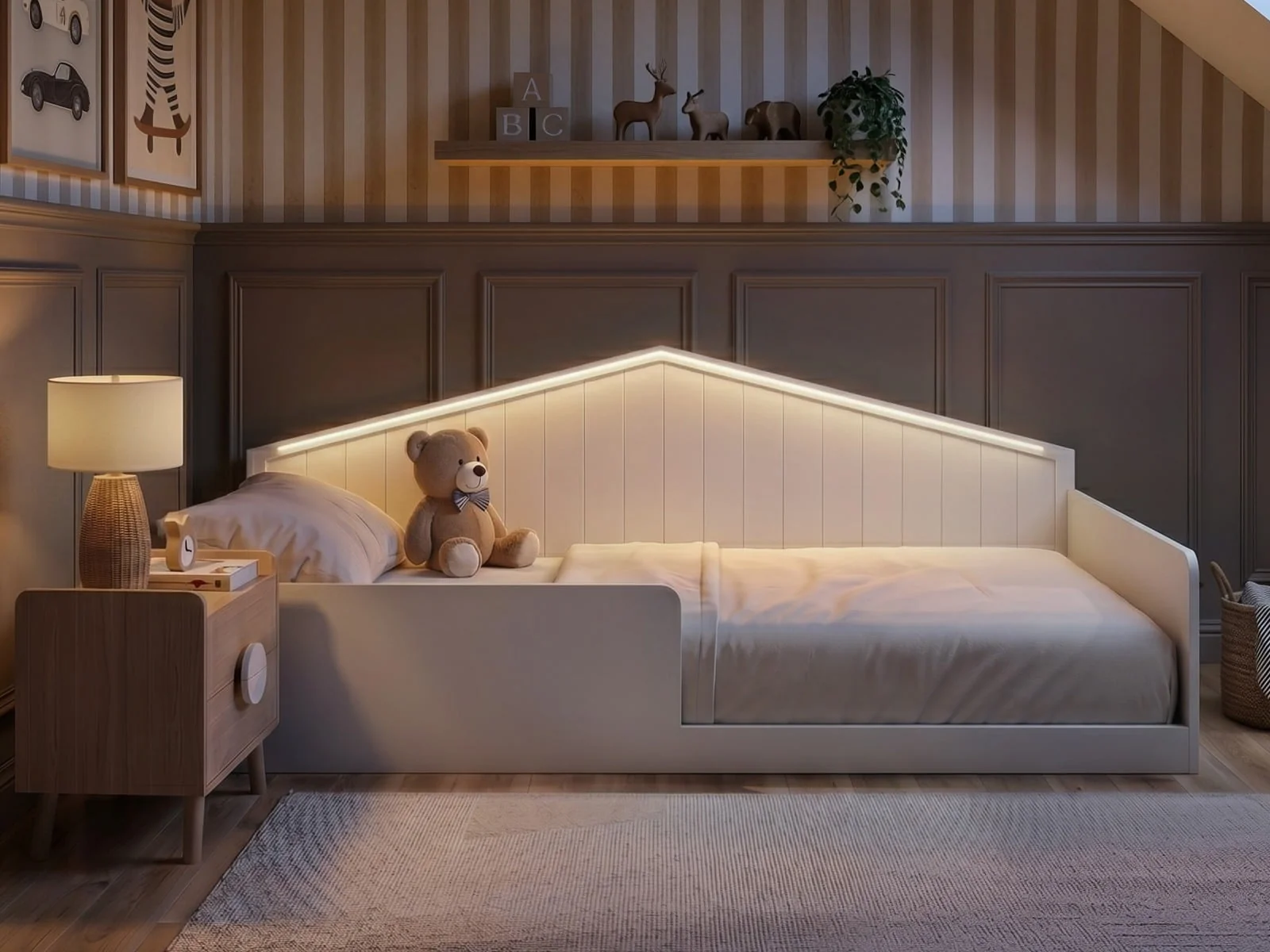
A night light should provide just enough gentle illumination to ease a child’s fear of the dark without disrupting their natural sleep cycle. The best options offer warm, low-level light, are safe for curious hands, and fit comfortably into a calm bedtime routine.
Why Children Need a Night Light
Many youngsters experience anxiety when the lights go out. A night light reduces shadows and offers reassurance so they can settle more easily. At the same time it must be dim enough not to keep them alert. Getting the balance right supports longer, deeper sleep and helps everyone in the house rest better.
Practical experience shows that children who feel secure at bedtime fall asleep faster and wake less often during the night. The right light becomes part of a consistent routine rather than a distraction.
Key Features to Look For
When shopping for a night light, focus on these practical points.
Brightness and Adjustability
Choose a light with multiple brightness settings or a dimmer. The lowest setting should be sufficient to navigate the room safely but not bright enough to read by. Lights that automatically dim after a set time are especially useful for parents who want to avoid getting up again.
Colour Temperature
Warm white or amber tones are preferable to cool white or blue-toned lights. Cooler colours can signal daytime to the brain and make it harder for children to wind down. Many modern night lights now include a red or orange mode specifically designed for sleep environments.
Safety and Build Quality
Look for lights with no small detachable parts, cool-to-touch surfaces, and proper UK safety certifications. Plug-in models should have sturdy cords that cannot be pulled easily, while portable versions need stable bases or wall-mounting options to prevent tipping.
Timer and Auto Shut-Off
A built-in timer helps prevent the light staying on all night if you forget. Some models fade out gradually, which can signal to a child that it is time to stay in bed until morning.
Types of Night Lights
Different styles suit different ages and bedrooms.
- Plug-in wall lights – compact, always in the same place, and usually the safest choice for toddlers.
- Portable bedside lamps – useful for older children who like to read briefly before sleep.
- Projector night lights – project soft patterns on the ceiling but should be used sparingly so they do not overstimulate.
- Smart lights – controllable from a phone but best kept simple for younger children.
Whatever style you choose, keep the overall bedroom calm. Pairing a night light with a practical bed can make the whole sleep space more inviting. For example, the Flair Wilbur Small Double Montessori Floor Bed with LED Lights includes integrated lighting that works well alongside a separate night light.
Where to Position the Night Light
Placement matters more than many parents realise. Avoid putting the light directly in line with your child’s eyes or on a bedside table where it could be knocked over. A good spot is a wall socket at skirting-board height or on a high shelf pointing toward the ceiling so the light reflects softly.
If your child has a cabin or storage bed, position the night light so it illuminates the steps or ladder without shining straight onto the mattress. The Flair Bailey Kids Cabin Bed with Desk & Storage and Flair Aiden Kids Cabin Bed with Desk & Storage both offer sensible layouts that work with thoughtful lighting.
For very young children, a light near the door can help them feel connected to the rest of the house while still keeping the sleeping area dim.
Building a Complete Sleep Environment
A night light is only one part of the picture. The bed, mattress and overall room setup play equally important roles. A supportive mattress helps children stay comfortable through the night, reducing the chance they will wake and need the light for comfort.
Consider a quality children’s mattress such as the Maxitex Kids Magic Memory Foam Mattress or the Noomi Waterproof Eco Foam Mattress. Both provide the right balance of support and comfort for growing bodies.
Choose a bed frame that suits your child’s age and the room size. Single beds remain the most popular choice for primary-school children, while beds with storage help keep the floor clear and the room tidy – important for calm evenings.
Adding practical furniture such as a chest of drawers or bedside table keeps bedtime items within easy reach so children do not need to get up and disturb the night light’s gentle glow.
Creating a Bedtime Routine That Works With the Night Light
Introduce the night light as part of a predictable sequence: bath, story, light on, goodnight. Consistency helps the brain associate the light with sleep rather than play. Keep screens off for at least an hour before bed because their blue light can counteract the benefits of a warm night light.
Many families find that dimming the main room lights gradually in the hour before bedtime makes the night light feel like a natural next step rather than a sudden change.
For older children who still want a light but are ready for more independence, a simple timer model on a kids bedroom accessory shelf can give them control while teaching responsibility.
Common Mistakes to Avoid
Bright novelty lights with characters or flashing patterns often look appealing but can be too stimulating. Similarly, leaving the light on at full brightness all night prevents the deep sleep stages children need.
Avoid placing the light on the floor where it could become a trip hazard during night-time toilet visits. And resist the temptation to use a phone or tablet as a night light – the screens are too bright and the devices themselves can be distracting.
Finally, check the light regularly for wear. Any frayed cords or loose parts should be replaced immediately for safety.
With the right night light and a well-considered bedroom layout, bedtime can become a calmer, more positive part of the day for the whole family. Take time to assess your child’s age, personality and the layout of their room, then choose a light that supports rather than competes with their natural sleep patterns.
← Back to the Bed Kingdom blog