
Simple ways light influences your sleep timing
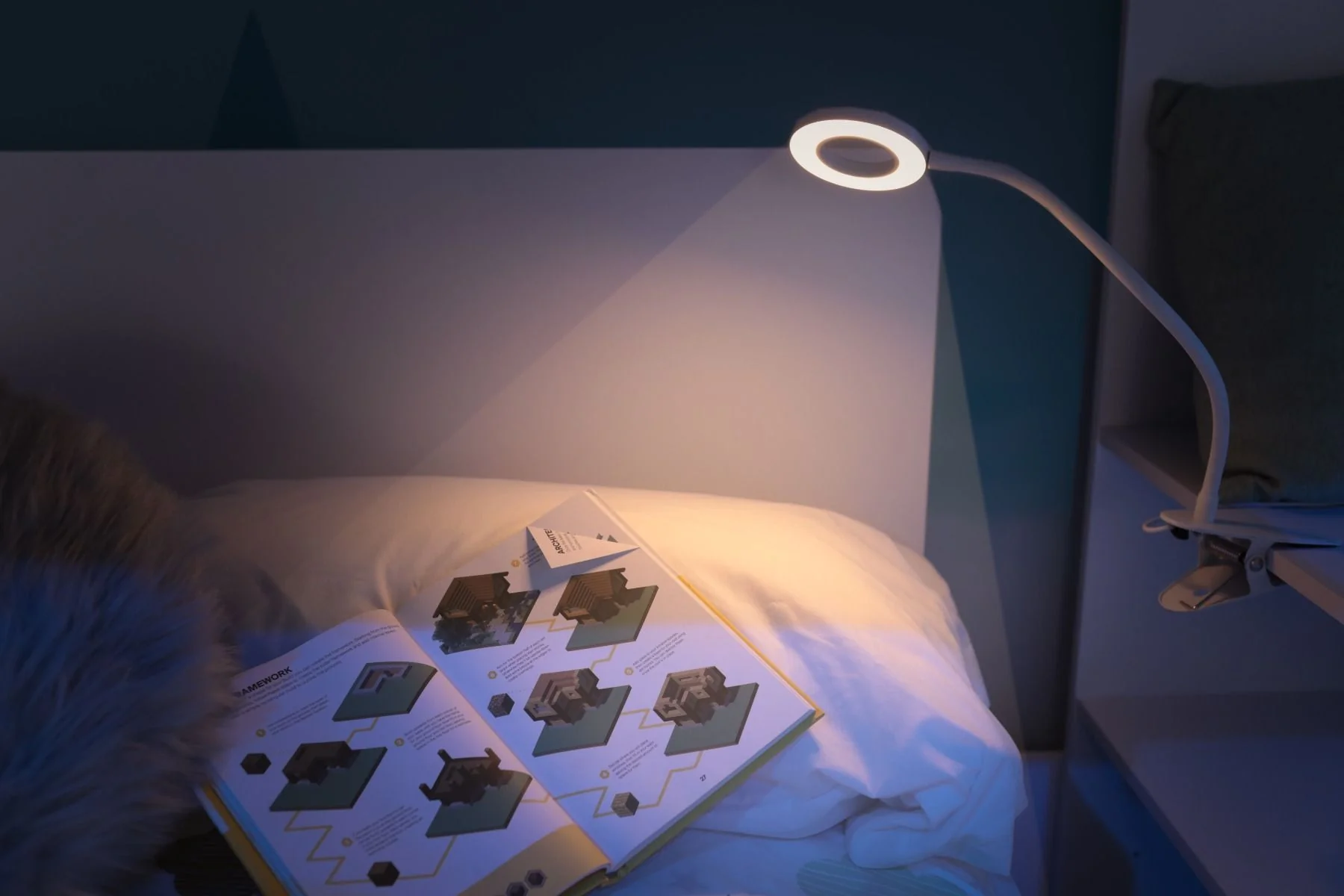
Light exposure throughout the day and evening directly shapes when you feel ready for sleep. Morning sunlight helps set your internal clock, while evening light from phones and lamps can delay sleep onset by suppressing melatonin. Understanding these everyday patterns makes it easier to adjust habits for more consistent rest.
How your body uses light to time sleep
Your circadian rhythm relies on light signals to know when to produce melatonin, the hormone that prepares you for sleep. Bright light in the morning advances your body clock, making you sleepy earlier at night. In contrast, light after sunset tells your brain it is still daytime, pushing sleep onset later.
Most people in the UK experience this shift during darker winter months when natural light is limited. Clocks going back on the last Sunday of October can also disrupt timing until your body adjusts.
The role of blue light from devices
Phones, tablets and laptops emit blue light that mimics daylight. Using them in bed keeps your brain alert and reduces melatonin production. Many notice it takes longer to fall asleep after scrolling late at night.
Simple changes help. Switch to night mode or warmer screen settings after dinner. Better still, keep devices out of the bedroom for at least an hour before bed. Reading a physical book instead supports natural wind-down.
Evening lamps and their effect on sleep onset
Overhead lights and bright bedside lamps in the evening can have the same delaying effect as screens. Dimming lights after sunset signals to your body that night has arrived, helping you feel sleepy at a reasonable hour.
Choose warm-toned bulbs and lower wattage for bedrooms. A Clip on LED 3 Mode Bendy Light lets you direct soft light exactly where needed for reading without flooding the room.
Placing lamps thoughtfully matters. Bedside tables with lower positioning reduce glare and create a calmer atmosphere. The SOLACE+CO Marcel Walnut Bedside Table with Marble Effect Top offers a stable surface for a small lamp while adding warmth to the room.
Morning light through windows
Natural light entering through windows soon after waking is one of the most effective ways to regulate sleep timing. It suppresses melatonin and boosts alertness, helping you feel tired at the right time later.
Keep curtains open in the morning even on cloudy days. For those who wake before sunrise, a bright light box near the breakfast table can provide similar benefits. Consistency matters more than intensity.
Bedroom furniture that works with natural light makes a difference. A chest of drawers positioned to avoid blocking windows helps the room receive full morning light. The SOLACE+CO Marcel Walnut Chest of 4 Drawers with Marble Effect Top combines storage with a light-reflecting finish.
Creating an evening wind-down routine with light
A predictable routine that gradually reduces light exposure improves sleep onset for many. Start by lowering lamp brightness two hours before bed, then switch to very dim lighting or candles during the final hour.
- Dim main lights as soon as the sun sets
- Use warm, low-level lighting for reading or relaxing
- Avoid bright bathroom lights during evening routines
- Keep phone screens at minimum brightness if checking them
These steps work well alongside a comfortable bed. Memory foam options from brands such as Maxitex or Noomi adapt to your body, making it easier to settle once light cues have done their job. See the range of Memory Foam Mattresses for choices that suit different preferences.
Light management for children's bedrooms
Children are especially sensitive to evening light because their circadian systems are still developing. A consistent dim routine helps them fall asleep at appropriate times and wake more refreshed.
Blackout curtains prevent early morning light from disturbing young sleepers, while a soft night light can reassure without overstimulating. The Noomi Clip On Storage Unit pairs neatly with a reading light on Kids Single Beds, keeping everything tidy and within reach.
For older children, encouraging device-free time before bed supports healthy timing. Flair kids beds create inviting spaces where good habits feel natural. Browse Flair Kids Beds for styles that suit growing rooms.
Long-term benefits of managing light exposure
Small daily adjustments to light patterns often lead to noticeable improvements in sleep timing within a couple of weeks.
Combining good light hygiene with the right bedroom setup reinforces these benefits. A supportive mattress helps you make the most of the sleep you get. Take a look at SOLACE+CO and other quality options on our Mattresses page.
Paying attention to phones, lamps and windows does not require major changes. Start with one or two adjustments that fit your routine. Over time these habits help your body settle into a sleep schedule that feels natural and sustainable.
← Back to the Bed Kingdom blog