
Your Suprachiasmatic Nucleus in Simple Terms
The suprachiasmatic nucleus is a small group of nerve cells in your brain that serves as the master clock, keeping all your body systems running in rhythm. Often simply called the SCN, it sits in the hypothalamus and uses light signals from your eyes to set the pace for sleep, hormones, digestion and more.
What Exactly Is the Suprachiasmatic Nucleus?
Think of the suprachiasmatic nucleus as the conductor of an orchestra. Every musician in the body plays their own instrument, yet without the conductor they would fall out of time. The SCN is that conductor. It generates electrical signals in a roughly 24-hour cycle. This rhythm is your circadian rhythm, the internal timetable that tells you when to feel alert and when to feel sleepy.
The suprachiasmatic nucleus receives direct input from the eyes via a pathway that is separate from the one used for vision. Even on cloudy days or when wearing sunglasses, enough light reaches these cells to keep the clock accurate. Without regular daylight the SCN can drift, which is why many people feel out of sorts after a long flight or when working night shifts.
How the SCN Keeps Everything in Sync
Your body runs dozens of clocks. The liver has one, the heart has another, and even individual cells have miniature timekeepers. The suprachiasmatic nucleus sits at the top and sends signals that keep them all aligned. It does this mainly through hormones and nerve messages.
When evening approaches the SCN prompts the pineal gland to release melatonin, the hormone that makes you feel drowsy. In the morning it reduces melatonin and increases cortisol to help you wake up. Temperature, blood pressure, digestion and even mood follow the same daily pattern set by this master clock.
The Role of Light and Darkness
Light is the most powerful cue for the suprachiasmatic nucleus. Bright morning light tells it the day has begun and helps reset any slight drift from the previous night. In contrast, blue light from screens in the evening can confuse the SCN and delay the release of melatonin. Simple steps such as dimming lights after dinner and avoiding devices an hour before bed support the natural rhythm.
Why the SCN Matters for Sleep Quality
When the suprachiasmatic nucleus is well aligned you fall asleep faster, sleep more deeply and wake feeling refreshed. A disrupted SCN, however, can lead to difficulty getting to sleep, frequent night waking or early morning restlessness. Many people notice this during the shorter days of autumn and winter when natural light levels drop.
Supporting your internal clock becomes especially useful when the clocks go back on the last Sunday of October. The sudden extra hour of darkness can shift the SCN and leave you feeling groggy for a few days. Gentle adjustments to bedtime and exposure to daylight help the master clock adapt smoothly.
Daily Habits That Support Your Master Clock
Consistency is the key message from sleep science. Going to bed and waking at roughly the same time every day, even at weekends, strengthens the signals from the suprachiasmatic nucleus. Other helpful routines include:
- Getting outside in daylight soon after waking
- Eating meals at regular times
- Exercising earlier in the day rather than late evening
- Keeping the bedroom cool, quiet and dark
A comfortable mattress makes it easier to maintain these habits because it removes physical distractions that might pull you out of rhythm.
Choosing Bedding That Works With Your Body Clock
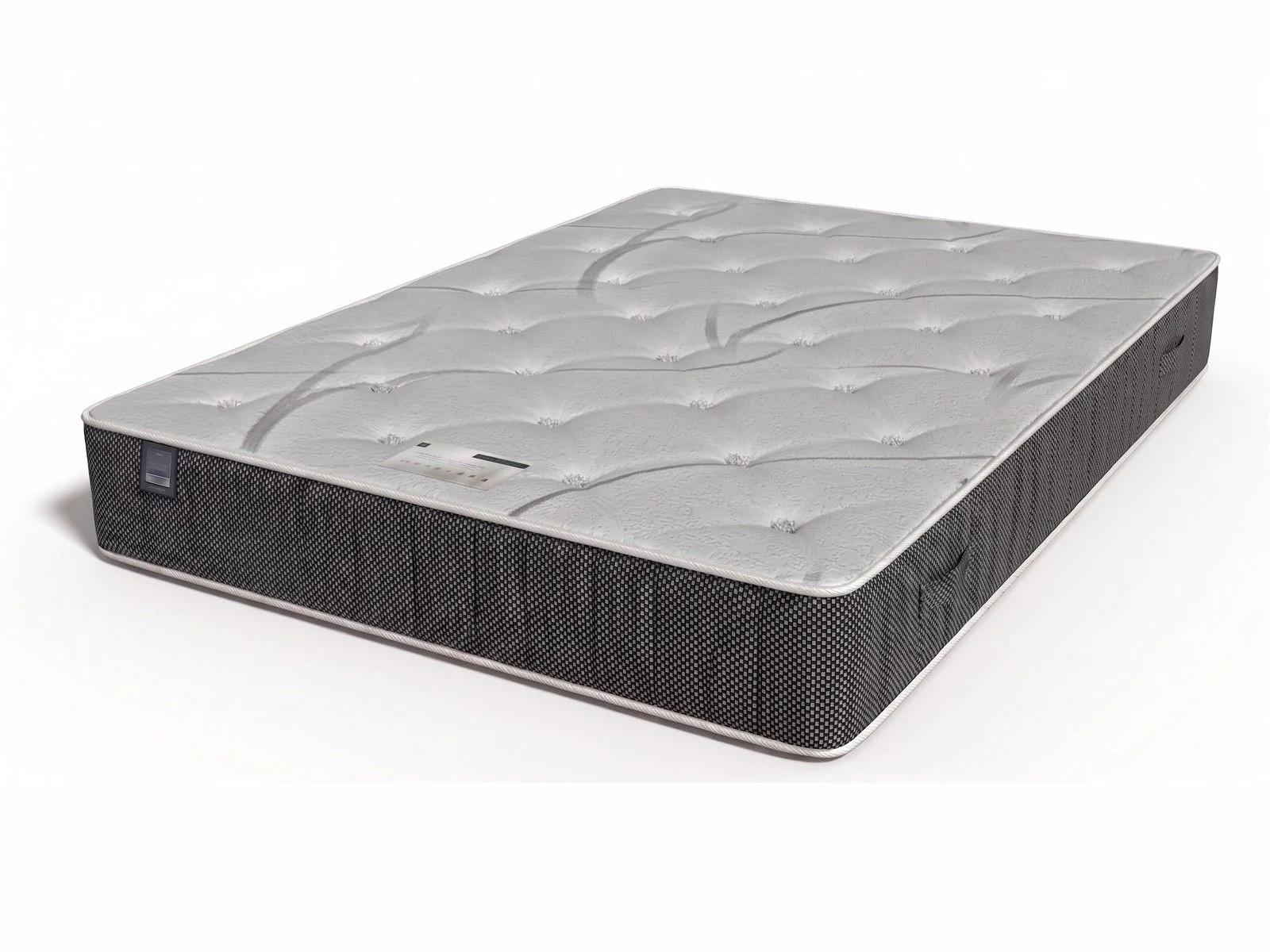
The right sleep surface helps your body relax fully once the suprachiasmatic nucleus signals that it is time to rest. Memory foam options such as the Maxitex Cloud Pocket Sprung Pillow Top Memory Mattress cradle the body and reduce movement that could interrupt sleep cycles. For those who like a cooler feel at night the Maxitex Diamond Dual Season 1000 Pocket Memory Mattress offers seasonal comfort that matches changing body rhythms through the year.
Younger family members also benefit from support that matches their developing clocks. The Maxitex Kids Magic Memory Foam Mattress provides the right balance of support and comfort for growing bodies. Pairing it with a sturdy frame such as the Flair Montana Captain's Guest Bed creates a calm, consistent sleep environment that reinforces healthy rhythms.
Natural Support for the Suprachiasmatic Nucleus
Beyond light and routine, certain natural materials can make the bedroom more inviting at bedtime. A Noomi Bamboo Natural Latex Pocket Sprung Mattress combines breathability with responsive support, helping the body stay at an even temperature so the SCN can focus on timing rather than discomfort.
For extra protection and freshness a simple mattress protector keeps the sleep surface clean without altering its feel. Adding soft layers such as a mattress topper can fine-tune firmness to suit individual needs, making it easier to settle when the master clock says it is time.
Building a Bedroom That Helps the Clock
Your surroundings influence how clearly the suprachiasmatic nucleus reads the signals of day and night. Blackout curtains, a consistent temperature and a clutter-free space all reduce confusion for the internal clock. Choosing calming colours and comfortable furniture helps the brain associate the bedroom with rest rather than activity.
Families often find that a regular bedtime routine for children strengthens everyone’s rhythms. A well-designed kids bed that feels safe and inviting encourages winding down at the same time each evening. Simple additions such as reading lamps on low setting and avoiding bright overhead lights after dinner reinforce the message that night has arrived.
By understanding the role of the suprachiasmatic nucleus you can make small changes that bring noticeable improvements to sleep. A supportive mattress from brands such as Flair, Solace+Co, Maxitex, Recoil or Noomi combined with steady daily habits keeps your internal conductor working at its best all year round.
← Back to the Bed Kingdom blog