
Evening light tricks that confuse your brain
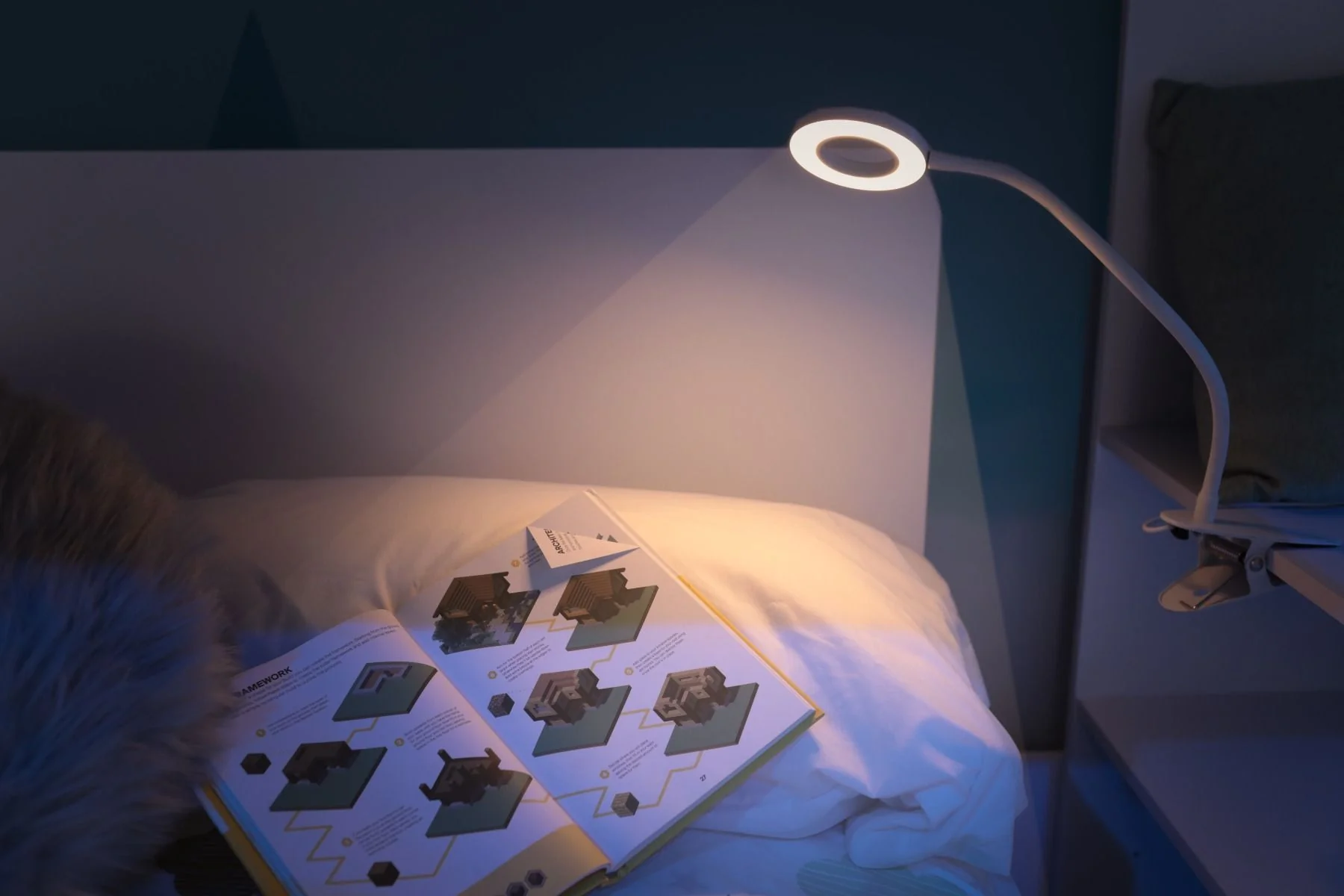
Evening light tricks that confuse your brain come down to one key hormone: melatonin. Blue light from screens and cool-white bulbs tells your body it is still daytime, pushing back the moment you feel sleepy. Warm light does the opposite and helps the brain prepare for rest. Understanding this simple science lets you adjust ordinary household lighting and protect your sleep without major changes.
How light controls your body clock
Your internal clock sits in the brain and uses light to decide when to release melatonin, the hormone that signals it is time to wind down. Bright blue-rich light in the morning resets the clock and keeps you alert. In the evening the same wavelengths delay melatonin, making it harder to fall asleep at a sensible time.
Most homes rely on a mix of bulbs. Standard LED ceiling lights often sit at 4000K or higher, which looks crisp but contains plenty of blue. Phone and tablet screens add another strong dose because they sit close to your eyes. The result is a brain that thinks the sun has not set.
Blue light versus warm light at home
Walk around any living room after sunset and you will spot the difference. A cool-white reading lamp on a bedside table sends a strong blue signal straight to the eyes. Switch it for a warm-white bulb around 2700K and the light turns amber, mimicking sunset. That small change reduces the suppression of melatonin and helps the body follow its natural rhythm.
Kitchens and bathrooms often have the brightest overhead lights. If you make a late-night snack under a daylight bulb, the brain receives the same cue it gets at noon. A simple solution is to install a secondary warm lamp for evening use or fit a dimmer so the main light stays low after eight o’clock.
Practical bulb swaps that work
Replace the main ceiling bulb in the bedroom with a warm-white option. Choose one labelled “relax” or “evening”. In the living room, add a floor lamp with an amber shade for the last couple of hours before bed. These adjustments shift the light environment.
Screen habits that delay bedtime
Tablets, phones and laptops are the biggest evening offenders. Their blue output is concentrated and close to the face. Many devices now offer night-shift modes that cut blue light after a set time, yet the remaining glow still affects sensitive eyes. The safest approach is to stop using them at least an hour before you plan to sleep.
Reading on a backlit device keeps the brain alert. Paper books or e-readers with front lighting set to warm tones avoid this problem. If you must check your phone, hold it at arm’s length and keep the brightness low.
Lighting tricks for children’s bedrooms
Children are especially sensitive to blue light because their eyes let more of it through. A bright cool-white night light can keep them awake long after their usual bedtime. Swapping to a red or warm-orange bulb reduces stimulation while still providing enough glow for reassurance.
Many families choose Flair furniture that pairs well with calm lighting. A Flair Livana 2 Drawer Bedside Table White & Blue creates a neat surface for a low-wattage warm lamp. Pair it with a Maxitex Kids Premier Sprung Mattress so the whole sleep space supports an earlier wind-down.
For younger ones, a Noomi Clip On Storage Unit next to the bed can hold a clip-on reading light set to its warmest mode. The Clip on LED 3 Mode Bendy Light lets you choose the amber setting without changing bulbs.
Creating an evening wind-down routine
Light is only one part of the picture. A consistent routine reinforces the message that the day is ending. Dim the lights, swap to warm lamps, and follow the same steps each night. Many people add a warm shower, light stretch or herbal tea. The brain quickly learns that these cues mean sleep is coming.
Bedroom furniture also plays a supporting role. A tidy, uncluttered space feels calmer under low light. Pieces from SOLACE+CO or Flair help keep belongings organised so the room stays peaceful once the lights go down.
Why your mattress matters when light is sorted
Once the light environment improves, the surface you sleep on becomes more important. A comfortable mattress helps you drop off quickly and stay asleep through the night. Options such as the Noomi Bamboo Natural Latex Pocket Sprung Mattress or Maxitex Dream 1000 Pocket Memory Mattress suit different preferences while working with the improved melatonin timing.
For children, the Maxitex Kids Premier Sprung Mattress provides the right support without overheating, complementing a bedroom that uses warm rather than blue light.
Quick checklist for better evening light
- Replace cool-white bulbs in bedrooms and living areas with warm-white versions after sunset.
- Use the amber or night mode on all screens from 8 pm onwards.
- Keep a separate warm lamp for reading instead of relying on ceiling lights.
- Choose red or amber night lights for children’s rooms.
- Finish screen use at least one hour before bedtime.
- Dim main lights progressively from early evening.
Small changes to the light around you can shift melatonin timing back to a more natural pattern. Over a week or two most people notice they feel sleepier at the right time and wake less during the night. Start with one or two swaps this evening and build from there. Your brain will thank you.
← Back to the Bed Kingdom blog