
Layering Bedding for Fluctuating Autumn and Winter Temperatures
UK autumn and winter temperatures can change dramatically from one night to the next. Layering bedding offers a flexible solution, letting you add or remove warmth without changing your whole setup. By combining duvets, blankets, throws and mattress toppers you can create a system that adapts to chilly evenings, milder days and everything in between.
Why Layering Works for British Seasons
The UK climate rarely delivers consistent cold. A mild October day can be followed by a sharp frost, while central heating and sudden cold snaps create rapid shifts in bedroom temperature. A single heavy duvet often leaves you either too hot or too cold. Layering allows precise control so you stay comfortable all night.
Start with a base layer that provides consistent support and insulation, then add removable pieces according to the forecast. This approach also makes it easier to regulate temperature if you share a bed with someone who prefers different warmth levels.
Building Your Base Layer
A good foundation begins with the right mattress and a protective cover. A mattress protector shields against spills while adding a thin layer of cushioning. For extra comfort and temperature control, consider a quality mattress topper.
Mattress toppers come in various materials that suit different needs. Memory foam versions retain heat well for colder nights, while latex or wool options offer more breathability. Place the topper directly on your mattress before adding sheets to create an immediate difference in feel and warmth.
Choosing the Right Mattress for Layering
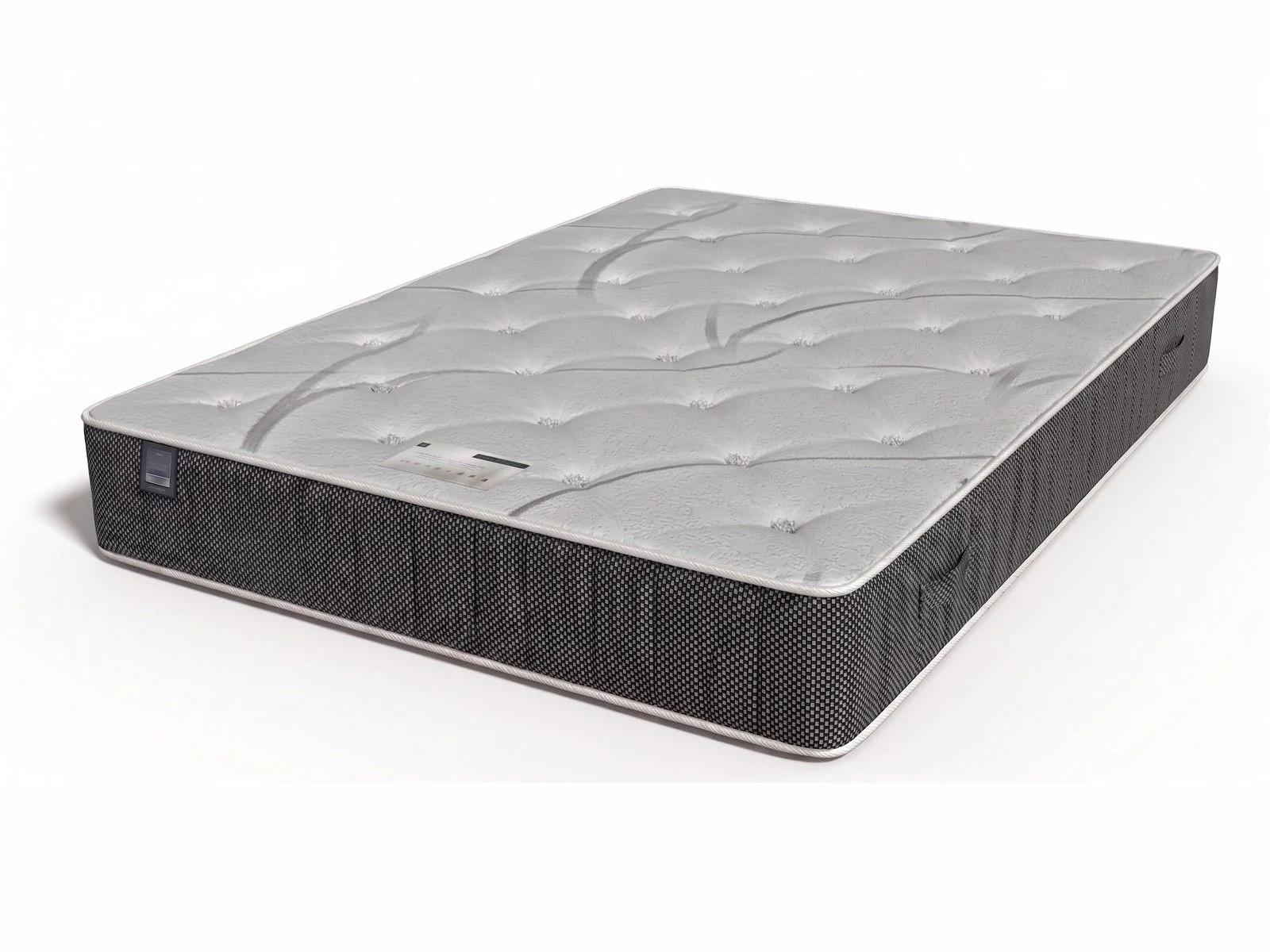
Some mattresses work particularly well as a base for layered bedding. Models with pocket springs combined with memory foam, such as the Maxitex Diamond Dual Season, respond to body heat and provide adaptable support throughout the seasons.
Selecting and Layering Duvets
Duvets form the core of your winter warmth. Rather than one very thick duvet, many people prefer two lighter ones that can be used separately or together. A 4.5 tog duvet works for milder autumn evenings while a 10.5 or 13.5 tog version suits deeper winter cold. On very cold nights, buttoning or tying two duvets together creates the equivalent of a 15 tog or higher warmth.
Look for duvets filled with natural or synthetic fibres that suit your preferences. Natural fillings often regulate temperature better, while hollowfibre options are easier to wash and maintain. Explore the full range of duvets to find tog ratings and fillings that match your needs.
Adding Blankets and Throws for Flexibility
Blankets and throws give instant extra warmth that you can remove quickly if the room heats up. Place a blanket between the sheet and duvet for even heat distribution, or layer it on top for a quick adjustment before sleep.
Throws add both practicality and style at the foot of the bed. They are easy to fold away during the day and bring out when evenings turn chilly. The throws and blankets selection includes various weights and textures, from lightweight cotton to cosy fleece or knitted wool styles.
Consider mixing materials. A wool blanket provides excellent insulation while a lighter throw offers softness and easy handling. Keep a couple of different weights so you can adapt to the temperature each night.
Bed Linen Choices That Support Layering
Your sheets and duvet covers influence how well layers work together. Breathable fabrics prevent overheating when multiple layers are in use. Cotton and linen perform well across seasons, wicking away moisture and allowing air circulation.
Flannel or brushed cotton sheets add extra cosiness for winter without bulk. Choose duvet covers with secure fastenings so layers stay neatly in place. The duvet covers and sets available offer plenty of options in different fabrics and colours to suit your bedroom style.
Finish the look with coordinating pillowcases and additional cushions from the bed linen collection. These smaller items also contribute to the layered effect and can be swapped easily.
Creating a Smart Layering System
A practical system might look like this:
- Mattress protector and topper for base comfort and insulation
- Fitted sheet in breathable cotton
- Light duvet or blanket layer for moderate temperatures
- Medium or heavy duvet according to the season
- Additional throw or blanket at the foot of the bed for quick access
This combination lets you remove or add one piece at a time rather than changing the entire bed. Many households keep a storage box nearby with spare blankets so adjustments take just moments.
Seasonal Adjustments and Maintenance
As autumn progresses, introduce heavier layers gradually. By mid-winter most people use the full combination of topper, duvet and blanket. When spring arrives, the top layers can be washed and stored until next year.
Regular care keeps your layered system performing well. Air duvets and blankets weekly, wash according to care labels, and rotate items so they wear evenly. A good selection from the bedding range makes it simple to maintain fresh, effective layers all year.
For those seeking specific brands known for quality and comfort, ranges from Flair, Solace+Co, Maxitex, Recoil and Noomi offer reliable options that work well within a layered bedding approach. Their products are designed with UK homes and variable temperatures in mind.
Tips for Shared Beds and Different Preferences
Layering shines when partners have different temperature needs. One side can add an extra blanket while the other stays with a lighter duvet. Individual topper layers or separate duvets joined by a clip system also help.
Children’s rooms benefit from layering too. Start with a supportive base mattress and add removable blankets so little ones stay warm without overheating. Practical, washable layers make bedtime routines smoother during the colder months.
Keep an eye on bedroom temperature. The ideal sleep environment sits between 16 and 18 degrees Celsius. Good layering works with this range rather than fighting against it. Simple habits like closing curtains early and using draught excluders also support consistent bedroom conditions.
With a thoughtful combination of duvets, throws, mattress toppers and quality bed linen, you can create a sleep space that responds to every twist of the UK weather. The result is more comfortable nights and easier mornings throughout autumn and winter.
← Back to the Bed Kingdom blog