
Winter Congestion Relief: Best Bedding and Mattress Choices
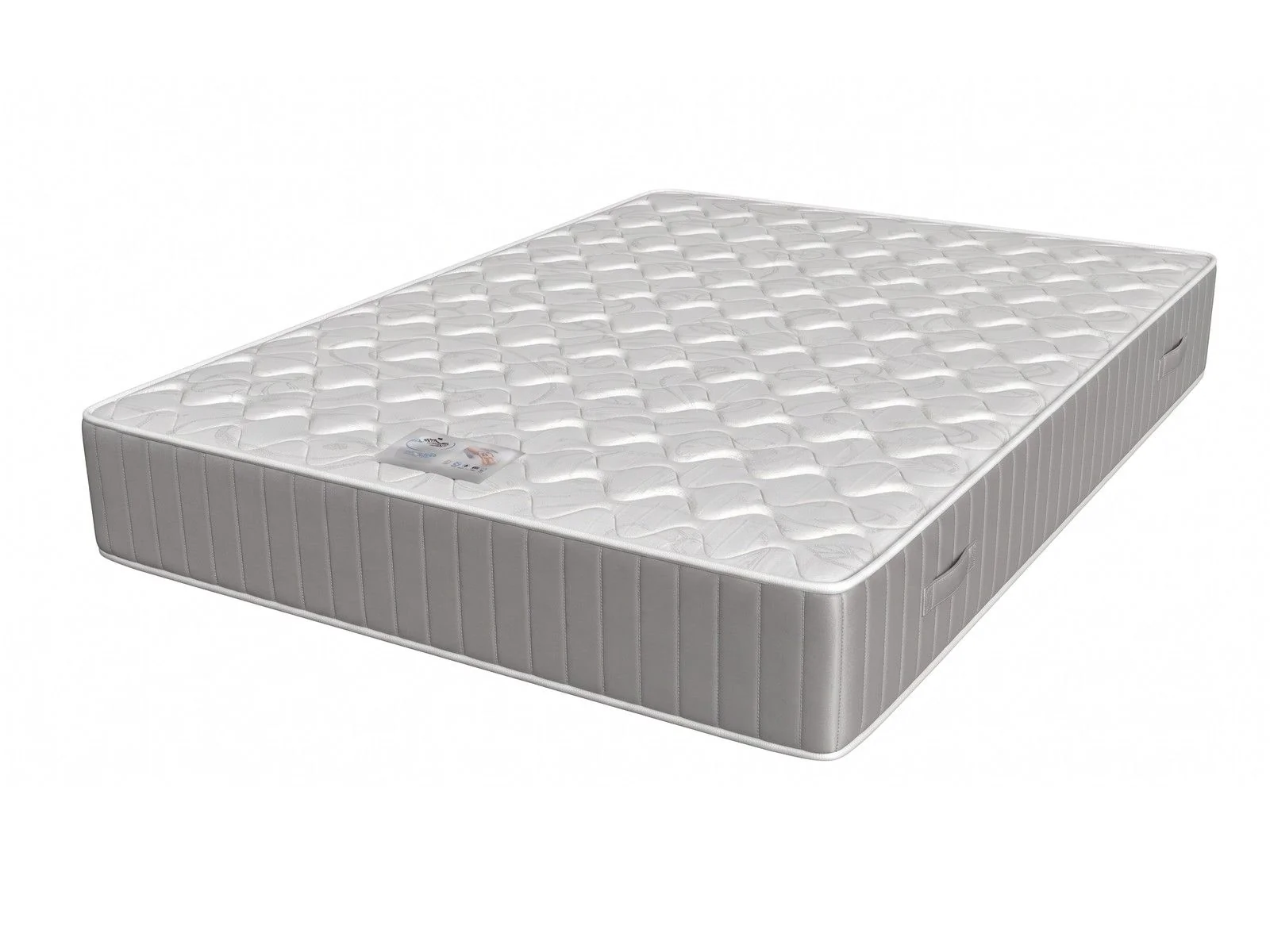
When a blocked nose keeps you awake, the right bedding and mattress can make a real difference. In late autumn and winter, cooler air and indoor heating often lead to congestion that disrupts sleep. Simple changes to what you sleep on can help you breathe more comfortably through the night.
Why Congestion Worsens in Winter
UK winters bring drier indoor air from central heating, which can irritate nasal passages and thicken mucus. Cold outdoor air also triggers the body to produce more mucus as a defence. At night, lying flat can cause this mucus to pool, making breathing harder. Choosing bedding and mattresses that support better airflow and temperature control helps reduce these effects.
Choose Mattresses That Promote Airflow
Mattresses with good ventilation prevent heat from building up around your head and neck, which can otherwise worsen congestion. Memory foam options that stay cool are particularly useful during winter months when you might be tempted to pile on extra layers.
Maxitex Fresh Ortho Cool Memory Mattress offers temperature regulation that many find helpful when dealing with seasonal stuffiness. Pocket sprung designs with memory foam layers also provide support without trapping too much warmth.
For those who prefer natural materials, Noomi Bamboo Natural Latex Pocket Sprung Mattress combines breathability with comfort. Latex and bamboo are known for their moisture-wicking properties, which can reduce the clammy feeling that sometimes accompanies blocked noses.
Memory Foam Options for Winter
Memory foam mattresses that respond to body temperature without overheating are ideal. Look for models designed with cooling features to maintain a comfortable sleep surface even when the bedroom radiator is on.
Visit the full range of memory foam mattresses to compare choices that suit different firmness preferences.
Layering with the Right Bedding
Bedding plays a key role in managing congestion. Lightweight, breathable layers allow you to adjust quickly if night-time stuffiness wakes you. Heavy, non-breathable fabrics can trap heat and moisture, making symptoms feel worse.
Start with quality bed linen that feels soft against the skin and wicks away moisture. Bed linen made from natural fibres helps regulate temperature and reduces irritation around the face and neck.
Duvets That Balance Warmth and Breathability
In winter you need enough warmth without overheating. A duvet that adapts to your body temperature prevents the sudden warmth that can trigger more congestion.
Duvets with adjustable tog ratings let you adapt to changing room temperatures between the last warm days of autumn and the coldest nights of January.
Pillows and Pillowcases for Easier Breathing
Your pillow position affects how mucus drains overnight. Slightly elevating your head can help, but the pillow itself needs to stay supportive and cool. Hypoallergenic fillings reduce the chance of dust or allergens adding to nasal irritation.
Choose pillowcases that are easy to wash frequently. Fresh, clean pillowcases minimise exposure to anything that might aggravate a blocked nose.
For extra protection, a mattress protector and pillow protectors create a barrier against dust mites and moisture, keeping your sleep surface cleaner during the winter months when windows stay closed more often.
Adding a Mattress Topper for Comfort
If your current mattress feels too firm or lacks ventilation, a topper can transform how it performs in winter. A layer that adds breathability and slight elevation under the shoulders can improve drainage without changing your whole bed.
Mattress toppers in memory foam or latex provide targeted comfort and help maintain a consistent sleep temperature.
Creating a Bedroom Routine for Congestion Relief
Beyond choosing the right products, small habits improve results. Keep the bedroom cool, around 16 to 18 degrees Celsius, and use a humidifier if the air feels very dry. Wash bedding weekly at 60 degrees to remove allergens. Consider a short nasal rinse with saline before bed to clear passages.
Flair furnishings can help create a calm, uncluttered bedroom that supports good sleep hygiene. Their practical designs keep surfaces easy to clean, reducing dust that might contribute to congestion.
Flair Furnishings offer bedroom pieces that combine style with everyday practicality for the winter season.
Supporting Children Through Winter Nights
Children often struggle more with congestion because their airways are smaller. A supportive, breathable mattress helps them settle and stay comfortable. Waterproof options are useful for younger children who may experience night-time coughs or spills from drinks taken to ease sore throats.
Noomi Waterproof Eco Foam Mattress in single size provides peace of mind and comfort for little ones. For older children, Maxitex Kids Premier Sprung Mattress offers support that grows with them.
Pair these with easy-care bedding from the bedding collection so parents can keep everything fresh with minimal effort.
Final Thoughts on Seasonal Sleep
Winter congestion does not have to mean restless nights. By focusing on mattresses that promote airflow, bedding that regulates temperature, and clean, fresh linens, you can create a sleep environment that works with your body rather than against it. Take time to assess what you currently use and consider small upgrades that address the specific challenges of the colder months.
Explore the full selection at duvet covers and sets to refresh your bedroom for the season ahead. A few thoughtful choices can lead to noticeably better rest even when your nose is blocked.
← Back to the Bed Kingdom blog