
Why cooling down helps you fall asleep faster
Lowering your skin temperature can help you fall asleep faster because it mimics the natural drop in core body temperature that occurs at the start of the sleep cycle. This process, known as distal vasodilation, widens blood vessels in your hands and feet, releasing heat and telling your brain that sleep time has arrived.
How body temperature regulates sleep
Your internal body clock ties sleep closely to changes in temperature. In the evening, core temperature begins to fall while skin temperature at the extremities rises. This shift is not random. It forms part of the circadian rhythm that prepares the body for rest.
When hands and feet warm up, blood vessels dilate. This is distal vasodilation. Heat moves from the core to the surface and is lost to the surrounding air. The resulting drop in core temperature acts as a powerful sleep signal.
The role of the hands and feet
The palms, soles and ears are rich in specialised blood vessels that open or close to control heat loss. Warming these areas slightly while keeping the bedroom cool encourages the body to shed heat efficiently. Cold feet, by contrast, can delay sleep onset because the body struggles to lose core heat.
Why a cool bedroom supports distal vasodilation
A bedroom temperature between 16 and 18 degrees Celsius creates the ideal environment for heat to escape from the skin. When the air is cooler than your body, the temperature gradient helps draw heat away. This supports the natural cooling process rather than fighting against it.
Heavy bedding or warm pyjamas can trap heat and prevent the core temperature from dropping. Choosing breathable layers allows the body to regulate its temperature more effectively throughout the night.
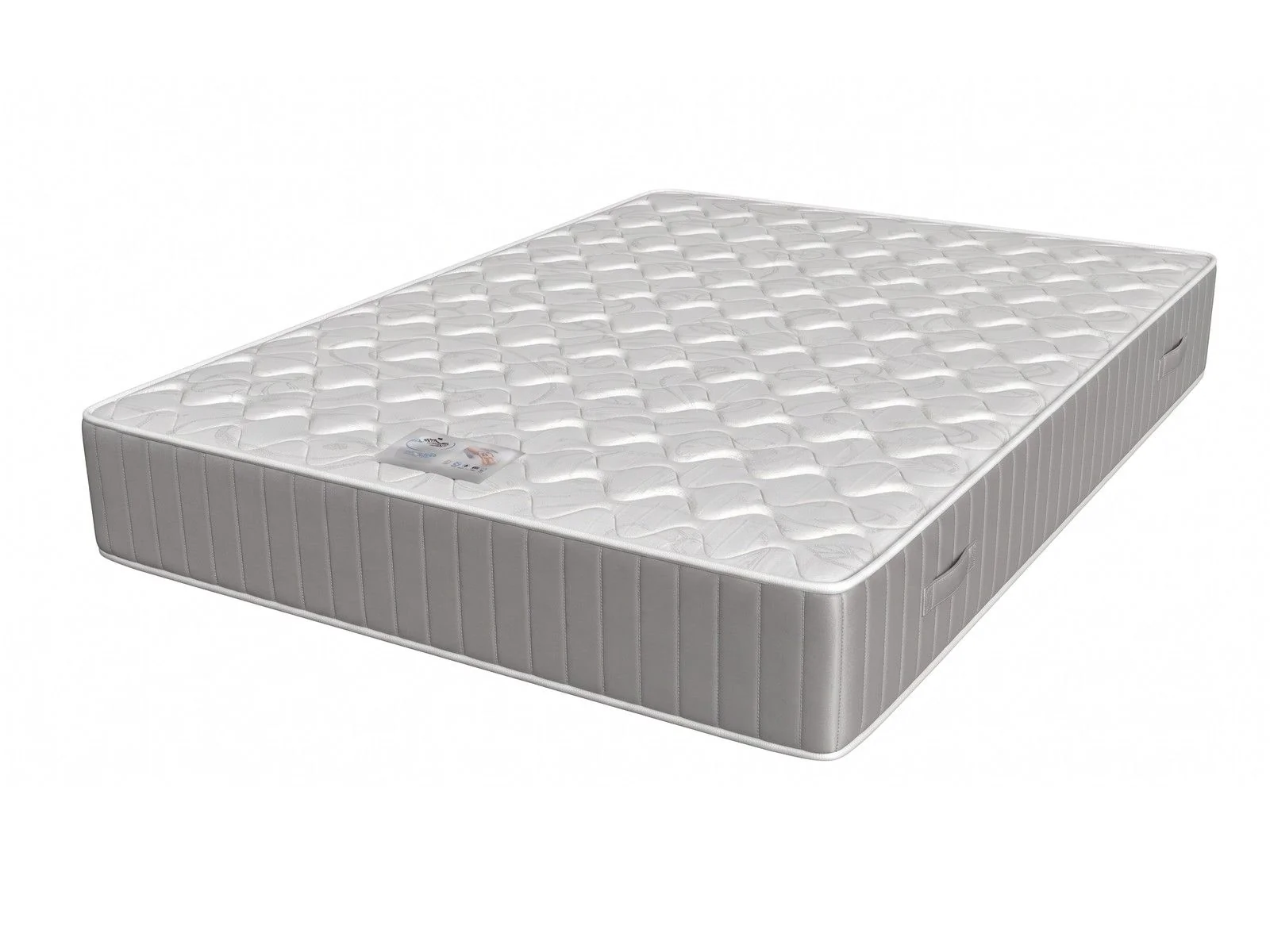
For those who tend to sleep hot, a Maxitex Fresh Ortho Cool Memory Mattress can help by drawing excess heat away from the body. Its cooling properties work with your natural temperature cycle instead of against it.
Practical ways to cool down before bed
- Take a warm shower or bath an hour before bedtime. The subsequent drop in body temperature reinforces the sleep signal.
- Wear light, loose pyjamas made from natural fibres that allow air to circulate.
- Keep socks by the bed. If your feet are cold, slipping on thin socks can rapidly warm them and trigger vasodilation.
- Use a fan or open a window to maintain a steady, cool airflow without creating draughts.
- Choose bedding that wicks moisture and promotes airflow rather than retaining heat.
Mattresses and toppers that support temperature regulation
The surface you sleep on plays a key role in how well your body can cool itself. Memory foam, for example, can retain heat unless it is designed with cooling technology. Hybrid designs that combine pocket springs and breathable foams often perform better.
A memory foam mattress with targeted cooling layers helps maintain a comfortable skin temperature. Similarly, a well-chosen topper can add breathability without changing the feel of your existing bed.
Consider a mattress topper if your current mattress feels too warm. Many toppers use ventilated foams or natural fillings that improve airflow and support the cooling process.
How children benefit from cooler sleep conditions
Children also experience a drop in core temperature before sleep, but their smaller bodies lose heat more quickly. A cool, consistent bedroom helps them settle faster and reduces night-time waking.
Choosing the right mattress is especially important for growing bodies. A Maxitex Kids Magic Memory Foam Mattress offers support and temperature control in one. For younger children, a waterproof option such as the Noomi Waterproof Eco Foam Mattress Single keeps the sleep surface fresh and comfortable.
Parents often find that kids beds paired with breathable bedding make a noticeable difference to how quickly children fall asleep and how well they stay asleep.
Creating a consistent evening routine
The temperature signal works best when it forms part of a predictable routine. Dimming lights, reading a book and cooling the room all reinforce the same message to the brain. Over time, these cues strengthen the association between cooling down and falling asleep.
Avoid screens in the hour before bed. The blue light they emit can suppress melatonin and keep core temperature higher than ideal. Instead, gentle stretching or a few minutes of slow breathing can complement the physical cooling process.
Choosing bedding and accessories that work with your body clock
Soft furnishings influence how easily heat escapes. Lightweight duvets, cotton sheets and breathable throws allow the body to follow its natural cooling rhythm. In contrast, thick synthetic materials can hold warmth and slow the temperature drop.
Look at soft furnishings that prioritise natural fibres. Adding a rug can also help by reducing draughts at floor level while still allowing the air to remain cool higher up.
For a complete sleep environment, explore options from trusted names such as SOLACE+CO, Flair, Maxitex, Recoil and Noomi. These ranges include mattresses and bases designed to work with the body’s temperature regulation rather than against it.
Small changes to temperature and bedding can produce noticeable improvements in how quickly you fall asleep. By supporting distal vasodilation through a cooler bedroom and appropriate bedding, you give your body the clearest possible signal that it is time to rest.
← Back to the Bed Kingdom blog