
Why Your Hands and Feet Get Cold Before Bed
That familiar tingle of cold hands and feet just as you climb into bed is not random. It is your body’s way of preparing for sleep through thermoregulation, releasing heat through the extremities to lower your core temperature and signal that it is time to rest.
How Thermoregulation Works at Night
Your body follows a natural 24-hour cycle known as the circadian rhythm. In the evening, as light fades, the pineal gland releases melatonin. This hormone lowers your core body temperature. To achieve this drop, blood vessels in the hands and feet dilate in a process called vasodilation. Warm blood flows closer to the skin’s surface, allowing heat to radiate away. This is why your fingers and toes often feel noticeably cooler while the rest of you begins to feel drowsy.
The extremities act like natural radiators. Once core temperature falls, sleep onset usually follows within minutes. So those cold sensations are not a problem to fix but a helpful sign that your internal system is working as it should.
Why Some People Notice It More
Certain factors can make the cooling effect more obvious. If you have poor circulation, live in a draughty bedroom, or wear tight socks during the day, the transition can feel sharper. Women often report colder extremities than men because of hormonal fluctuations and generally lower muscle mass, which generates less heat. Stress and anxiety can also play a part by keeping the sympathetic nervous system alert and restricting blood flow until relaxation finally sets in.
Age matters too. As we get older, thermoregulation becomes less efficient, so older adults may notice cold hands and feet more frequently at bedtime. Children can experience the same sensation, which is why choosing the right kids' beds and bedding helps them settle comfortably.
The Link Between Warm Extremities and Faster Sleep
Warming the hands and feet can support the body’s natural process. Simple techniques such as a warm bath an hour before bed, wearing loose cotton bed socks, or using a hot water bottle can help without raising core temperature too much.
Creating the right sleep environment makes a real difference. A bedroom kept at around 16 to 18 degrees Celsius allows the body to lose heat efficiently. Breathable bedding that wicks away moisture prevents you from feeling clammy while still trapping enough warmth for the extremities.
Choosing Supportive Mattresses for Temperature Balance
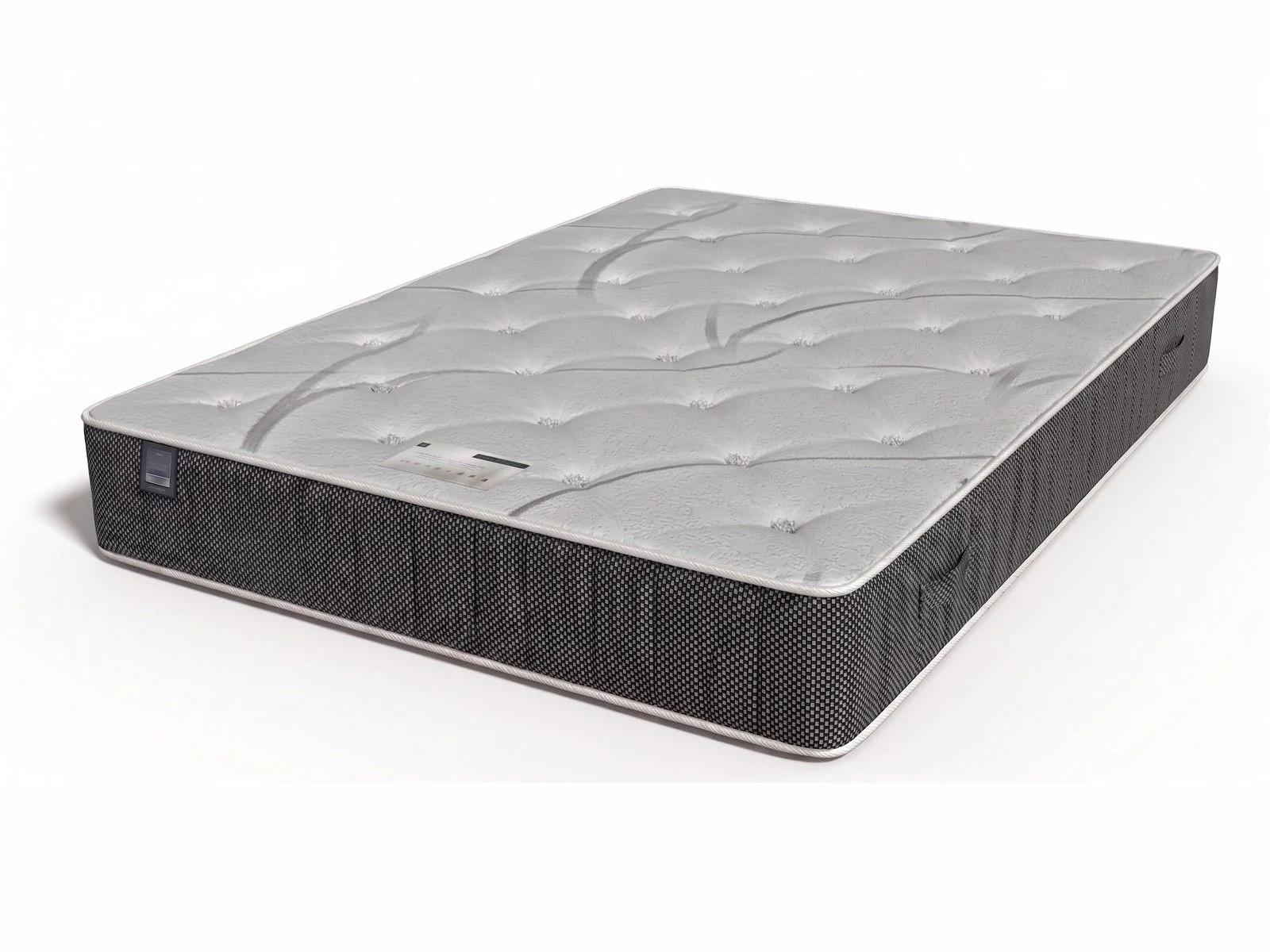
The mattress you sleep on plays a key role in how well your body can regulate temperature. Pocket sprung designs with natural fillings allow air to circulate freely. Models such as those from Solace+Co and Flair are designed with this balance in mind.
For families, a mattress that offers good support without trapping heat works especially well for children who may kick off their covers. The Maxitex Kids Premier Sprung Mattress provides the right combination of support and breathability. Adults who prefer a cooler sleep surface often choose hybrid options that combine springs with targeted foam layers, such as the Maxitex Diamond Dual Season 1000 Pocket Memory Mattress.
Practical Steps to Work With Your Body Clock
Supporting natural thermoregulation does not need complicated routines. Try these straightforward habits:
- Keep your bedroom cool and well ventilated.
- Avoid heavy duvets that trap too much heat around your middle.
- Wear loose, natural fibre bed socks if your feet feel particularly cold.
- Finish exercise at least three hours before bedtime so your core temperature has time to fall.
- Consider a lightweight mattress topper that adds comfort without overheating.
These small adjustments help your body follow its preferred cooling pattern rather than fighting against it.
Common Myths About Cold Hands and Feet
Many people worry that cold extremities at night mean poor circulation or illness. In most cases it is simply the body doing its job. Persistent cold hands and feet during the day, however, can sometimes point to other issues such as Raynaud’s or anaemia, so it is worth speaking to your GP if the problem continues outside bedtime.
Another myth is that thick synthetic bedding will solve the problem. In reality, materials that do not breathe can cause you to overheat in the middle of the night, leading to broken sleep. Natural fibres and well-designed pocket sprung mattresses allow the body to maintain its ideal temperature curve from evening through to morning.
Creating a Bedroom That Supports Night-Time Cooling
Beyond the bed itself, simple changes to your bedroom can improve thermoregulation. Blackout curtains help trigger melatonin release on long summer evenings. Layering bedding rather than using one heavy duvet lets you adjust easily as your body temperature shifts during the night. Choosing furniture that does not block airflow, such as the ranges from Flair, also helps keep air moving around the room.
For children, a well-chosen single bed with breathable bedding makes it easier for them to regulate their own temperature. Many parents find that kids single beds paired with lightweight mattresses from Solace+Co or Flair reduce night-time disturbances linked to feeling too hot or cold.
If you often wake in the early hours with cold feet, try adding a thin blanket at the foot of the bed that you can pull up without uncovering your shoulders. This small change respects the body’s natural preference for cooler air around the head and warmer toes.
Looking After Your Sleep System Long Term
Consistent bedtimes, exposure to daylight in the morning, and limiting screen light in the evening all help your circadian rhythm stay strong. When your internal clock is well aligned, the evening drop in core temperature happens smoothly and cold hands and feet become a reliable signal that sleep is on its way rather than an uncomfortable distraction.
Investing in quality bedding that works with these natural processes pays off in better rest. Whether you prefer the natural breathability of latex options like those in the Noomi Bamboo Natural Latex Pocket Sprung Mattress range or the targeted support of memory foam hybrids, the right choice helps your body carry out its nightly cooling routine without interruption.
Next time you notice your hands and feet cooling as you turn out the light, remember it is your body’s built-in sleep switch at work. By creating the right conditions you can make the most of this natural process and enjoy deeper, more refreshing nights.
← Back to the Bed Kingdom blog