
Why Your Bedroom Feels Colder Than the Rest of the House (And How to Fix It)
Bedrooms often feel colder than the rest of the house in winter because they usually have less heating, thinner curtains and more exposed windows. The good news is that a few straightforward changes can make the room noticeably warmer and more comfortable without turning up the thermostat across the whole home.
Why bedrooms drop in temperature
Most households direct central heating to living rooms and kitchens where people spend their evenings. Bedrooms are typically left with just a radiator on low or turned off completely. At the same time, many bedrooms have larger window areas that lose heat quickly once the sun goes down. Single glazing, thin curtains or gaps around window frames make the problem worse. Added to this, loft insulation often settles unevenly above the bedroom ceiling, allowing warmth to escape upwards.
Cold air also finds its way in through small gaps around doors, skirting boards and even unused chimneys. Once inside, it settles because bedrooms are usually at the end of the house and furthest from the boiler. The result is a room that feels several degrees colder than the hallway or living room by bedtime.
Simple draught-proofing steps
Start by checking for obvious sources of cold air. Run your hand around window and door frames on a windy day; any noticeable breeze means heat is escaping and cold is entering. Self-adhesive draught excluder strips applied to the inside of window frames are an easy weekend fix. For doors, a simple brush or sausage draught excluder along the bottom works well and can be moved if needed.
Curtains make a surprising difference. Heavy lined curtains that reach the floor and overlap in the middle trap a layer of still air against the window. Closing them as soon as dusk falls helps keep warmth in the room rather than letting it radiate out through the glass. If you have blinds, pairing them with curtains adds another insulating layer.
For older homes with fireplaces, a chimney balloon or draught-proof cover prevents cold air pouring down an unused flue. These are inexpensive and easy to fit or remove when the fireplace is in use.
Choose bedding that retains heat
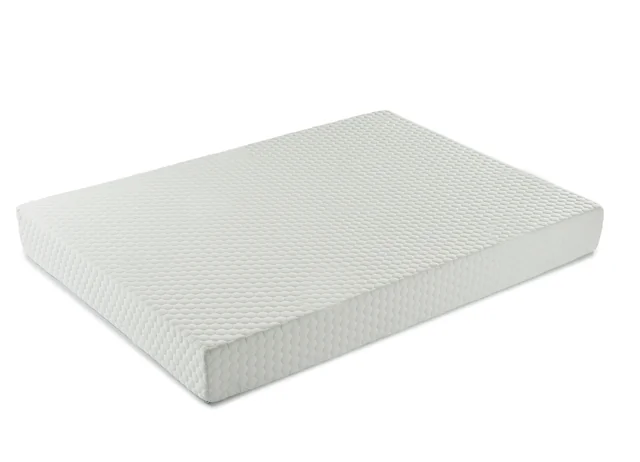
The right mattress and layers of bedding help your body stay warm without relying solely on room temperature. Memory foam mattresses are particularly good at absorbing and radiating body heat back to you. Options such as the SleepShaper Comfort 500 Memory Foam Mattress hold heat where you need it most and reduce the chill that can come up from a cold floor.
Layering is more effective than one thick duvet. Start with a fitted sheet, add a lightweight blanket, then your usual duvet. On colder nights a second thinner blanket between the sheet and duvet creates pockets of warm air. Wool or cotton blankets are excellent because they wick moisture away while trapping heat.
A quality mattress protector adds another thin insulating layer and keeps the mattress itself at a more even temperature. The Mattress Protectors range includes options that are both practical and comfortable against the skin.
Optimise heating and airflow
Keep the bedroom radiator on a low setting for an hour or so before bed rather than blasting it on high when you get in. This raises the air temperature gradually and stops the sudden contrast between a warm duvet and cold room air. If your heating system has a timer, set it to come on half an hour earlier in the bedroom zone if possible.
Air circulation still matters. A completely sealed room can feel stuffy, so open the window for ten minutes during the day to let fresh air in and prevent damp. Once the room is aired, close it again and draw the curtains. Avoid drying clothes on radiators in the bedroom as the added moisture makes the air feel colder.
Bedroom furniture that helps with warmth
Furniture placement affects how warm a room feels. Large pieces positioned against external walls act as a buffer between you and the cold surface. A well-placed wardrobe or chest of drawers can reduce heat loss through that wall. The Wardrobes and Chest of Drawers ranges include solid designs that work well for this purpose.
Adding soft furnishings also helps. An upholstered ottoman at the foot of the bed provides somewhere to sit while putting on socks and acts as an extra surface that absorbs and holds a little heat. The Ottoman Blanket Boxes are useful for storing extra blankets close at hand too.
For children’s rooms, a house bed with integrated storage keeps the floor clear and reduces cold spots under the bed. Models such as the Flair Millie Low Sleeper House Bed with Storage or the Noomi Froya Solid Wood Grow-with-Me House Bed create a cosy enclosed feel that many children find reassuring on cold nights. Pair them with the Maxitex Kids Premier Sprung Mattress for reliable support and comfort.
Small accessories that make a difference
A rug or carpet next to the bed stops that first-step-of-the-morning chill from the floorboards. Even a simple runner helps. Bedside tables with a drawer keep bedtime items like hand cream or a spare pair of socks close by so you do not have to get out of bed to fetch them. The Bedside Tables collection includes practical designs that suit both adult and children’s rooms.
Finally, consider the overall layout. If your bed is positioned directly under a window or against an external wall, moving it even a short distance away from the coldest surface can improve comfort. A solid headboard also creates a barrier against draughts from the wall behind the bed.
With these changes, a bedroom can feel as warm and inviting as the rest of the house without increasing overall heating costs. The combination of better insulation, thoughtful layering and the right mattress and bed makes winter nights far more comfortable for the whole family.
← Back to the Bed Kingdom blog