
Frosty UK Mornings: Light and Routine Adjustments for Quality Winter Rest
As frosty UK mornings become part of daily life from late autumn through winter, many people notice changes in their sleep patterns. The later sunrise, earlier sunset and colder air can disrupt natural body rhythms. Simple adjustments to light exposure, daily routines and your sleep environment can help maintain quality rest throughout the season.
Understanding How UK Winter Affects Sleep
The UK clocks go back on the last Sunday of October, bringing darker mornings and evenings. Reduced natural light can affect melatonin production and circadian rhythms, often leading to difficulty waking up or feeling sleepy earlier in the evening. Frosty mornings also mean colder bedrooms, which for some makes getting out of a warm bed even harder.
These changes are normal, but with a few practical steps you can support better sleep without major disruption to your day.
Making the Most of Natural Light
Exposure to daylight remains one of the most effective ways to regulate sleep, even when mornings are dark and frosty. Try to get outside or sit near a window within an hour of waking. On brighter winter days, a short walk at lunchtime helps reset your internal clock.
In the evening, dim the lights earlier to encourage melatonin production. Avoid bright screens in the final hour before bed, as blue light can delay sleep onset. Simple habits like opening curtains fully in the morning and using warmer, lower-level lighting after sunset make a noticeable difference over time.
Adjusting Your Sleep Routine for Winter
Consistency matters more in winter when natural cues are weaker. Going to bed and waking at similar times each day helps stabilise your body clock. Many find shifting bedtime slightly earlier works well with the shorter days, especially if frosty mornings make commuting or school runs feel harder.
Create a wind-down routine that signals rest is approaching. This might include reading, gentle stretching or a warm drink. Keeping the bedroom cool but not cold supports the natural drop in body temperature that occurs before sleep. Layer bedding so you can adjust easily if the temperature changes overnight.
Bedding Choices That Support Seasonal Comfort
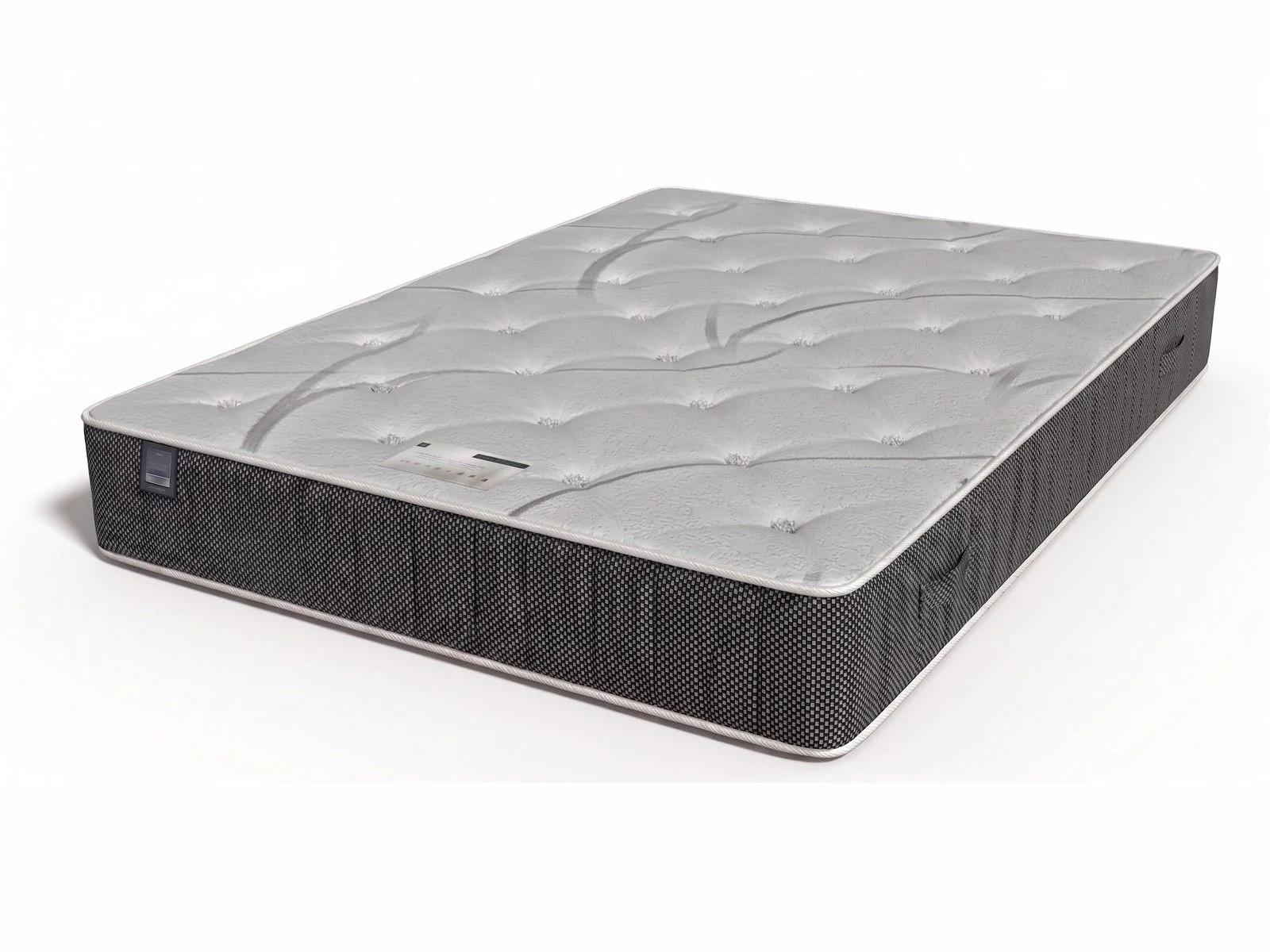
Choosing the right mattress and bedding becomes particularly important in winter. A mattress that maintains comfortable temperature can prevent waking from feeling too hot or cold. Maxitex Diamond Dual Season 1000 Pocket Memory Mattress offers adaptable comfort that suits changing seasons.
For those who prefer foam, memory foam mattresses provide good pressure relief while holding heat. If you need extra warmth or support, a well-chosen mattress topper can fine-tune firmness and temperature without replacing your current mattress.
Creating a Cosy yet Sleep-Friendly Bedroom
A bedroom that feels calm and inviting encourages better rest. In winter this often means adding layers of soft furnishings without making the space stuffy. Heavy curtains help block out early evening light and reduce draughts, while keeping the room ventilated prevents it becoming too dry or warm.
Consider rugs to warm up hard floors and reduce cold air rising. Simple touches like cushions and throws can make the room feel snug while remaining practical for sleep. For a complete refresh, explore options on the Flair Furnishings range which includes practical bedroom pieces.
Helping Children Adjust to Winter Sleep Patterns
Children can find seasonal changes particularly challenging. Earlier bedtimes and consistent routines help them settle when evenings draw in. A dark, quiet bedroom remains important even when mornings stay dark longer.
Choosing suitable beds and mattresses for growing bodies makes a difference. Flair kids beds offer sturdy, practical designs that work well in colder months. Pair them with a supportive children's mattress such as the Maxitex Kids Magic Memory Foam Mattress or the Noomi Waterproof Eco Foam Mattress for younger sleepers who may have occasional accidents.
For storage solutions that keep bedrooms tidy and calm, kids beds with storage help reduce clutter that can affect sleep quality.
Supporting Better Sleep with the Right Mattress
The foundation of good winter rest is a supportive, comfortable mattress. Pocket sprung options with memory foam layers often perform well in varying temperatures. SOLACE+CO and Maxitex mattresses provide choices that balance support and comfort for different preferences.
If you wake feeling stiff on colder mornings, a firmer orthopaedic style may help. Those who overheat at night might prefer natural materials or hybrid designs. Take time to consider your needs and view the full selection on the beds and mattresses pages.
Small Changes That Add Up
Winter sleep does not require drastic overhauls. Combining better morning light exposure, a steady routine, appropriate bedding and a calm bedroom creates conditions for sounder rest. Many people notice improvements within a couple of weeks of making consistent adjustments.
Pay attention to how you feel after different changes. Some benefit most from earlier bedtimes while others gain more from careful light management. The key is finding what works for your household and sticking with it through the darker months.
With the right foundations in place, frosty UK mornings can become a little easier to face after a good night's sleep.
← Back to the Bed Kingdom blog