
Morning light and your internal timer
Morning light helps reset your circadian rhythm each day, aligning your internal timer with the natural 24-hour cycle. Exposure to bright natural light soon after waking signals your body to reduce melatonin and increase alertness, making it easier to feel awake during the day and sleepy at night.
How your circadian rhythm works
Your circadian rhythm is the internal process that regulates sleep-wake cycles, hormone release, and body temperature over roughly 24 hours. It is mainly controlled by the suprachiasmatic nucleus in the brain, which responds to light signals from the eyes. Without regular cues from natural light, this rhythm can drift, leading to trouble falling asleep or waking up at consistent times.
The rhythm follows a predictable pattern tied to the sun. Light in the morning advances the clock, while darkness in the evening allows melatonin levels to rise. Understanding this daily flow helps explain why consistent habits around light exposure matter for good rest.
The sunrise phase: waking with natural light
As the sun rises, blue wavelengths in morning light reach the retina and send a clear message to the brain to suppress melatonin production. This process typically begins within the first hour after waking and helps set your body clock for the day ahead.
Even on cloudy days, outdoor light is far brighter than indoor lighting. Stepping outside for 10 to 30 minutes soon after waking provides the strongest signal. Opening curtains wide or using a dawn-simulating alarm clock can offer a gentler alternative when time is short.
For children, this morning light routine is especially useful. A consistent wake time with natural light supports their developing body clocks. Flair offers practical options that work well in family bedrooms.
Simple morning light habits
- Draw back curtains immediately upon waking
- Enjoy breakfast near a window
- Take a short walk outside if possible
- Avoid sunglasses for the first part of the morning
Midday: maintaining the rhythm
Daylight continues to reinforce your internal timer throughout the morning and early afternoon. Regular exposure to natural light during these hours keeps the circadian system aligned and supports steady energy levels.
Many people notice improved focus and mood when they spend time in daylight. Simple changes such as moving a desk nearer a window or taking a lunch break outdoors can make a noticeable difference over time.
The sunset phase: preparing for rest
As daylight fades, the brain begins to increase melatonin production in response to diminishing light. This gradual shift promotes feelings of tiredness and helps the body wind down for sleep. Artificial light in the evening, particularly blue light from screens, can delay this process and push your internal clock later.
Reducing bright light exposure after sunset supports the natural transition to rest. Dimming household lights, using warmer bulbs in the evening, and avoiding devices in the hour before bed all help preserve the rhythm set by morning light.
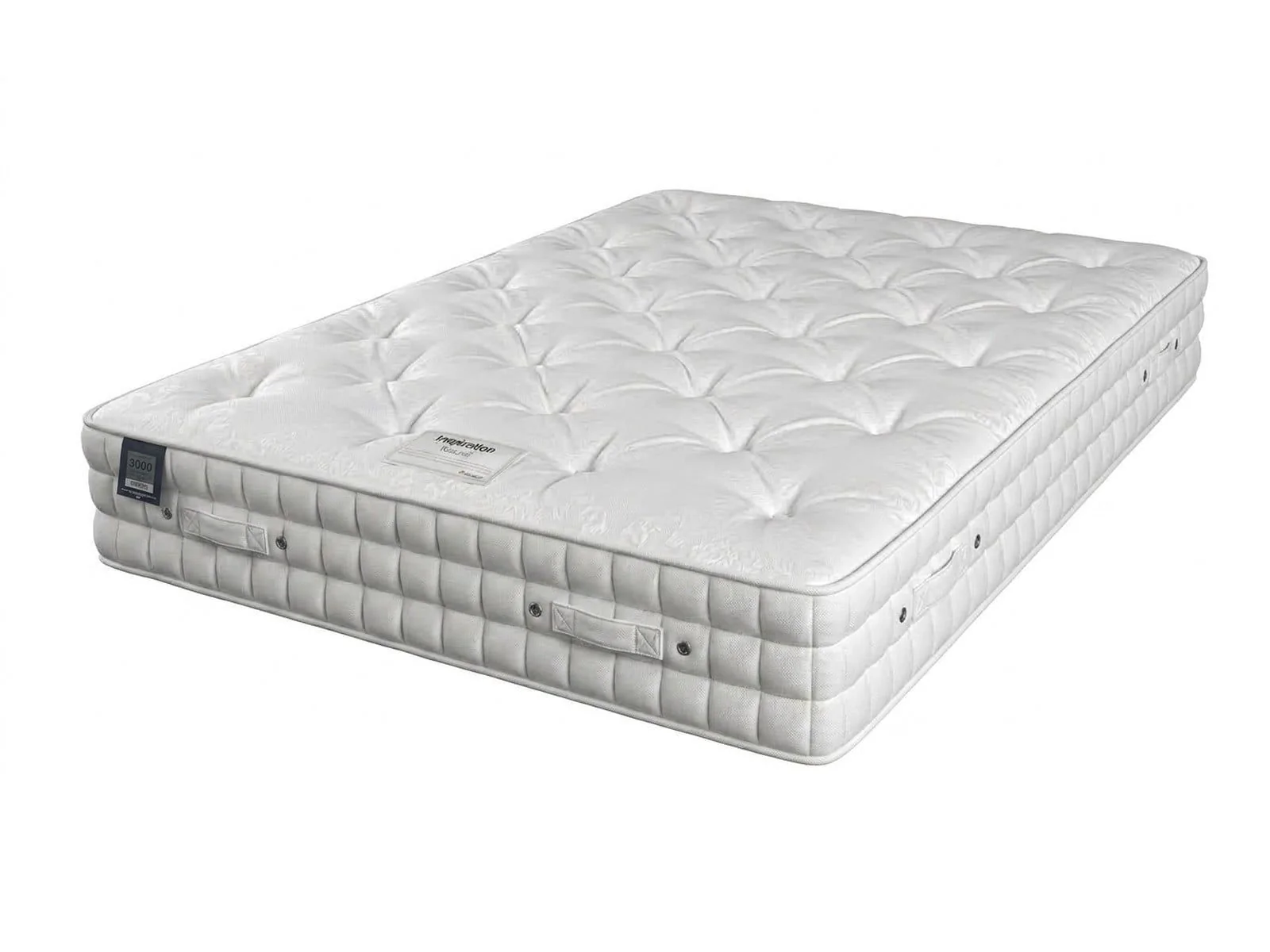
A comfortable bedroom environment makes it easier to follow this wind-down routine. Choosing the right mattress supports the restorative sleep that follows a well-aligned day. The Maxitex Natural 3000 Mattress works in harmony with healthy sleep patterns.
Evening routines that complement morning light
Pairing morning light exposure with consistent evening habits creates a complete daily cycle. A calm bedroom free from excessive light and noise helps the body recognise that night has arrived.
Consider adding soft furnishings that promote relaxation. Soft Furnishings such as cushions and throws can make the space inviting for reading or quiet time before bed.
How light exposure affects different age groups
Children and teenagers have slightly different circadian patterns, often shifting later during adolescence. Morning light remains one of the most effective ways to keep their schedules on track, particularly during school terms.
Practical bedroom setups help. Kids' Beds from Flair provide sturdy, comfortable foundations for younger family members learning healthy sleep habits.
Adults benefit equally from this daily reset. Those who work indoors all day may find their rhythm drifts without enough natural light. Taking a brief walk first thing or during lunch can counteract the effects of artificial indoor lighting.
Supporting your circadian rhythm with the right sleep surface
A supportive and comfortable mattress helps you make the most of the sleep window created by a well-set body clock.
The Noomi Bamboo Natural Latex Pocket Sprung Mattress combines breathable natural fibres with responsive support. Similarly, the Maxitex Diamond Dual Season 1000 Pocket Memory Mattress adapts to changing seasonal needs while maintaining comfort throughout the night.
For younger sleepers, the Maxitex Kids Premier Sprung Mattress provides the firmness and durability needed during growth years, helping them benefit fully from a regular circadian routine.
Adding a simple layer of comfort can also improve sleep quality. Mattress Toppers offer an easy way to adjust feel without replacing the entire mattress.
Creating a bedroom that supports the full daily cycle
Your sleeping environment plays a supporting role in the rhythm set by morning light. Keeping the room dark at night prevents unwanted light from interfering with melatonin. Blackout curtains or blinds are useful tools, especially during lighter summer evenings.
A tidy, organised space encourages calm. Bedroom Furniture that provides storage helps keep surfaces clear and the room peaceful.
Finally, consider natural textures underfoot. Jute & Natural Rugs bring an earthy feel that complements a calm, nature-inspired bedroom.
By paying attention to the natural progression from sunrise to sunset, you give your body the clearest signals for healthy sleep timing. Consistent morning light, balanced with a supportive evening environment and comfortable bed, forms the foundation of better rest night after night.
← Back to the Bed Kingdom blog